TL/DR: Your AC often fails in peak heat due to high electrical demand, dirty coils, or the physical limits of heat transfer.
Understanding these triggers helps you prevent sudden breakdowns and high repair costs during an Arizona summer.
The Paradox of the Heatwave: Why AC Systems Fail When You Need Them Most
Every air conditioner has a design limit. Most residential units are built to maintain a 20-degree difference between the scorching outdoor air and your indoor setting.
When Lake Havasu hits 115°F, your system is already pushing its mechanical boundaries.
Extreme heat also triggers thermal overload. If the internal components get too hot, safety switches kill the power to prevent the motor from melting.
This protects the hardware but leaves you sweating in a rapidly warming house.
Efficiency also takes a dive as the mercury rises. As it gets hotter outside, the refrigerant has a harder time releasing the heat it gathered from inside your home.
This makes the entire cooling cycle slow down and eventually stall.
Common Culprits: Why Your AC Quits During a Heatwave
Overheating Compressors and Tripped Breakers
High outdoor temps mean your compressor draws more electricity to stay running.
This massive power pull can easily trip your circuit breaker. If your system pops a breaker, it’s often a sign that the motor is working dangerously hard.
Dirty Condenser Coils and Airflow Blockages
In the desert, dust and pollen act like a thick wool sweater on your outdoor unit.
These dirty coils trap heat instead of releasing it. Without clean airflow, the system can’t dump the heat, causing it to shut down entirely.
Refrigerant Issues and Delta-T Failure
If your refrigerant is low, your coils can actually freeze up even when it’s 110°F outside.
This lack of pressure ruins your “Delta-T”—the gap between the air going into the unit and the cold air coming out.
Aging Capacitors
Capacitors are like the batteries that start your motors. They hate heat.
When it gets extremely hot, an old capacitor is likely to “pop,” leaving your fan or compressor unable to start up.
The Role of Maintenance in Heatwave Survival
A clogged air filter is the most common reason for a system failure. When air can’t move, the system strains until it breaks.
Checking your filter every 30 days is the easiest way to prevent a mid-day collapse.
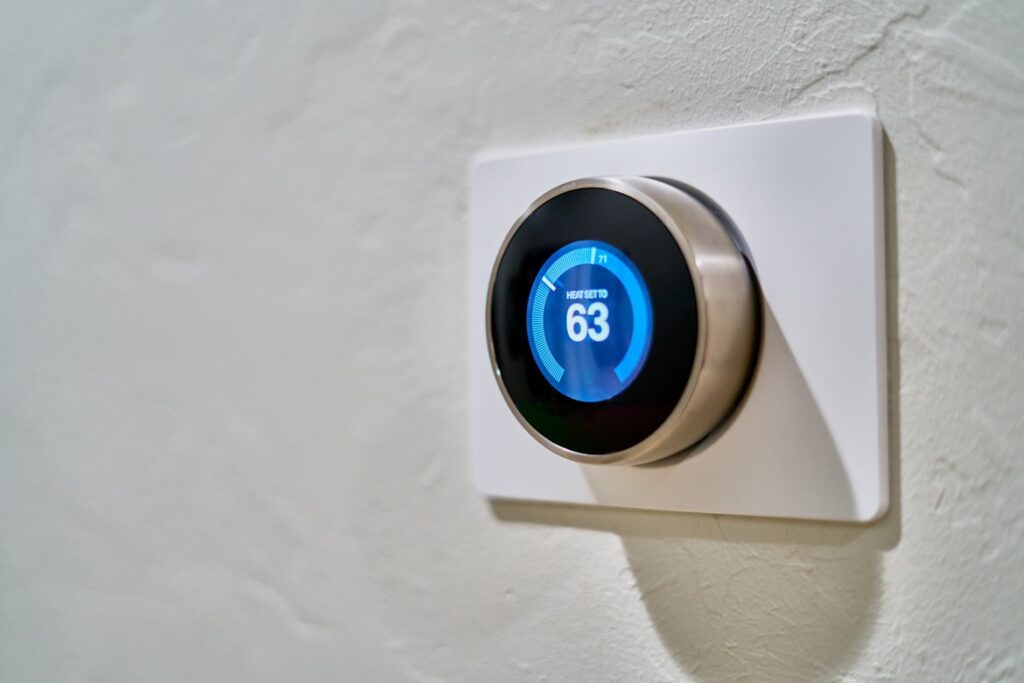
Avoid the temptation to crank your thermostat to 60°F. It won’t cool the house faster; it just keeps the compressor running without a break.
This increases the risk of a total system freeze-up or a blown motor.
Keep the area around your outdoor condenser clear. Remove any weeds, debris, or patio furniture that blocks the unit’s ability to breathe.
Your AC needs at least two feet of open space to exhaust heat effectively.
Troubleshooting Steps: What to Check Before Calling a Tech
If the system goes dead, check your electrical panel first.
Resetting a tripped breaker might buy you some time, but if it trips again immediately, stop and call for help. A recurring trip means there’s a serious electrical fault.
Try the “touch test” on your copper lines. If you see ice or the lines feel warm to the touch while the system is running, shut it off.
Running a frozen or dry system can permanently damage your compressor.
Recognizing When Your System Is Outmatched
Watch for frequent short-cycling. If your unit turns on and off every few minutes without actually cooling the house, it’s struggling to stay within its safety limits.
This constant starting and stopping burns out motors fast.
Most systems in the Arizona sun have a lifespan of about 10 to 12 years.
If your unit is nearing its double digits and frequently fails when it gets hot, it has likely lost its ability to win the battle against the desert sun.
Restore Your Home’s Sanctuary with The Weatherman AC
Don’t wait for the next heatwave to find out your system is failing. Professional HVAC repair and maintenance services can identify weak capacitors and dirty coils before they leave you in a bind.
If your system is old and the repairs are stacking up, it might be time to look at a more efficient HVAC installation and replacement services.
Modern units are built to handle the specific climate demands of Lake Havasu City.
Contact The Weatherman AC today to schedule a performance inspection. We’ll make sure your system is ready to stay cold when the desert gets hot.