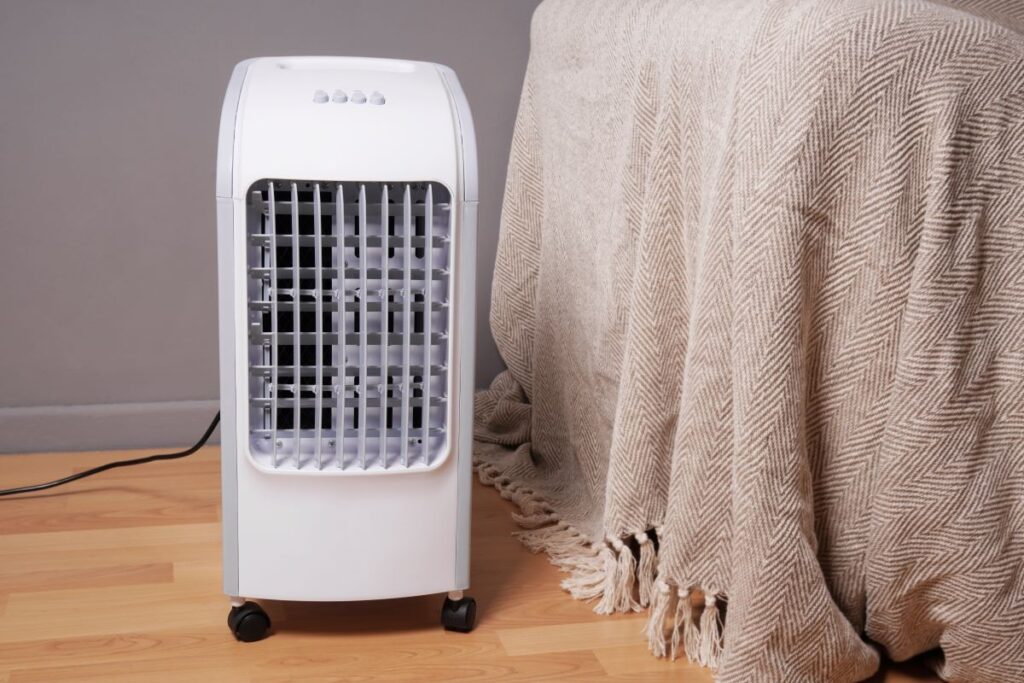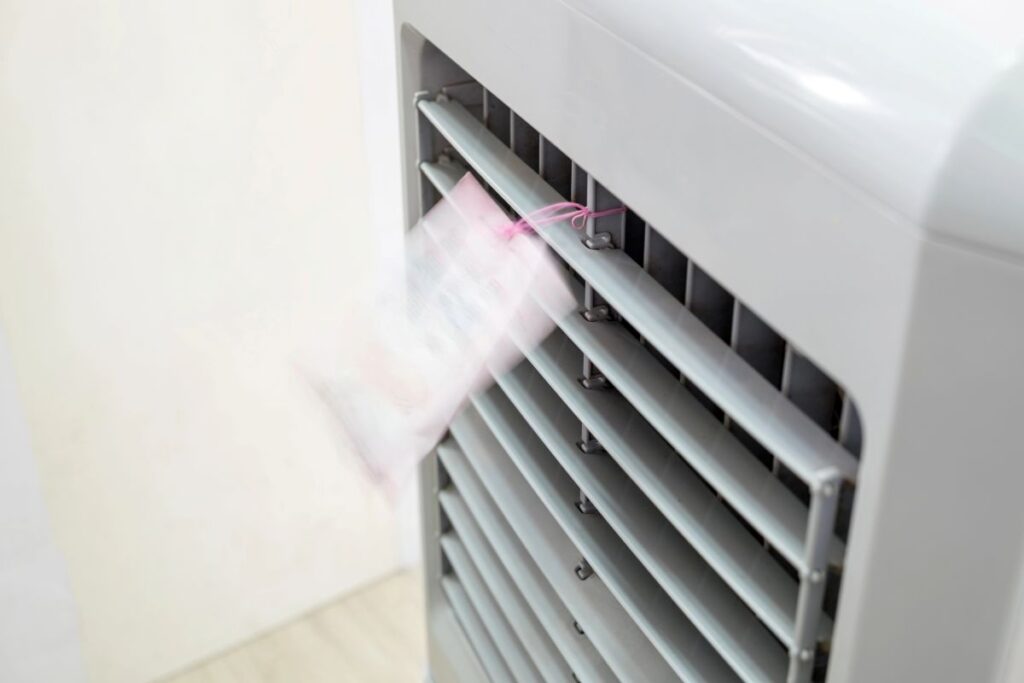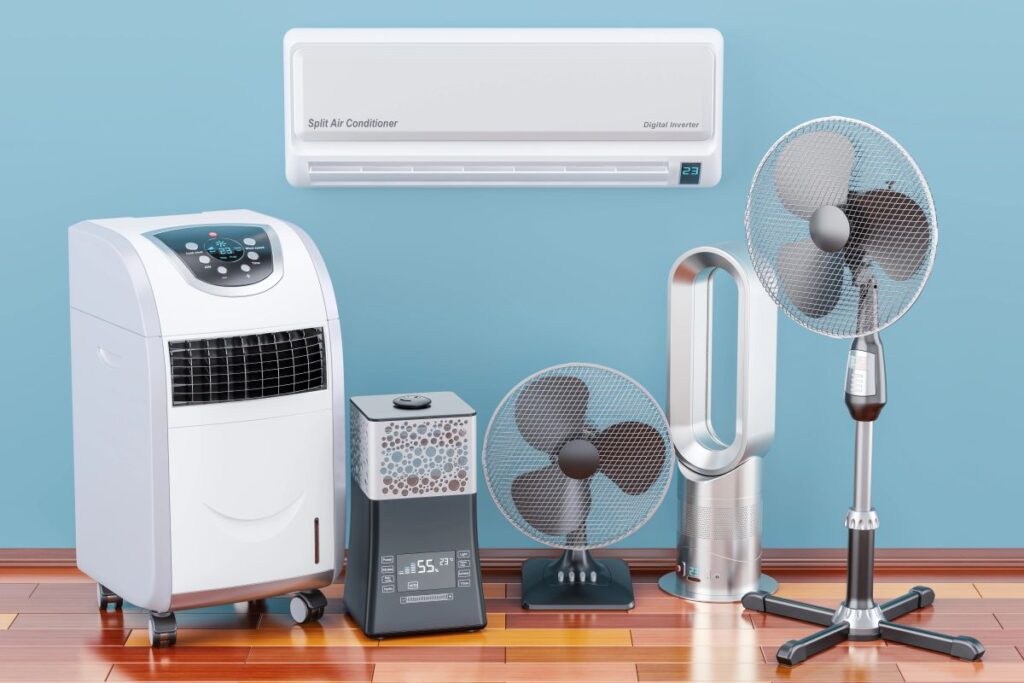
Generally, evaporative coolers and air conditioners cool the environment differently:
Evaporative coolers cool air by adding moisture through evaporation, making them energy-efficient in dry climates, and air conditioners cool by removing heat and humidity through refrigeration, effective universally but with higher energy use.
Choosing the right cooling system is a significant decision for any homeowner, especially in hot cities.
Many have this dilemma: should I go with an evaporative cooler (often called a swamp cooler) or opt for a traditional air conditioner (AC)? Both provide much-needed relief from the heat, but they do so in fundamentally different ways.
This comprehensive guide will clarify you these differences. We’ll provide a clear comparison to help you understand which system might be the best fit for your home, your climate, and your specific cooling needs.
Evaporative Cooler vs. Air Conditioner: Key Differences & Comparison Points
Understanding the core distinctions between both of them is crucial for making the right choice for your home comfort. Each system approaches cooling uniquely, impacting everything from air quality to operating costs.
Cooling Mechanism: Water vs. Refrigerants
An evaporative cooler uses water as its cooling medium. It creates comfort by passing hot, dry air over moist pads, where the water evaporates and draws heat from the air. This process naturally adds moisture to your indoor environment.
In contrast, an air conditioner operates using chemical refrigerants within a closed system. It removes heat and humidity from your indoor air, transferring the heat outside. This system does not add moisture; rather, it typically dehumidifies.
Air Quality & Ventilation: Fresh Air vs. Recirculated Air
Evaporative coolers require an intake of fresh outdoor air and an exhaust point for humid indoor air.
This means they are constantly bringing fresh air into your home, which can be beneficial for air quality. It’s an open-air system.
Air conditioners, on the other hand, primarily recirculate the air inside your home.
While filters improve air quality, they don’t introduce fresh outdoor air unless integrated with a specialized ventilation system. The air can sometimes feel drier or less “fresh.”
Humidity Impact: Adds Humidity vs. Removes Humidity
A fundamental difference lies in their impact on humidity.
An evaporative cooler increases the humidity indoors as part of its cooling process. This makes them highly effective and comfortable in hot, dry climates where added moisture is welcome.
An air conditioner actively removes humidity from the air as it cools. This makes AC ideal for hot and humid climates, where reducing moisture is essential for comfort.
Energy Efficiency & Running Costs
Evaporative coolers are generally far more energy-efficient. They typically use less electricity because they rely on a motor and a water pump, avoiding a power-hungry compressor.
This results in significantly lower running costs, making them a budget-friendly option for daily operation.
Air conditioners consume more electricity due to their refrigeration cycle and compressor.
While they provide powerful cooling, their operating costs are typically higher, especially for continuous use.
This makes their energy bills often a larger consideration for homeowners.
Installation & Upfront Costs
The initial cost of installing an evaporative cooler is generally lower.
Their systems are less complex, often requiring simpler ducting and no specialized refrigerant lines. This can make them an attractive upfront investment.
Air conditioners installation costs are usually higher.
Their complex systems involve both indoor and outdoor units, refrigerant lines, and more intricate ductwork, leading to a larger initial outlay.
Environmental Impact
When it comes to environmental impact, evaporative coolers generally have a lower carbon footprint.
They use water but do not rely on chemical refrigerants that can contribute to global warming if released.
Their lower energy consumption also reduces greenhouse gas emissions.
Air conditioners utilize refrigerants (like HFCs) which can have high global warming potential if leaked.
Their higher energy consumption also puts a greater demand on power grids, often supplied by fossil fuels.
Now, the choice between an evaporative cooler and an air conditioner ultimately depends on several factors specific to your home and lifestyle.
First, consider the climate you live in: evaporative coolers excel in hot, dry environments like Phoenix or Lake Havasu, while AC performs universally in all humidity levels.
Also evaluate your budget, balancing upfront installation costs with ongoing energy bills.
Finally, consider your personal preferences for air quality—do you prefer fresh, humidified air, or dry, recirculated air? In the end, your comfort is key.
FAQs
Here are some frequently asked questions about evaporative coolers vs air conditioners to help clarify your decision:
Can you use an AC and evaporative cooler together?
Generally, no, it’s not recommended. AC removes humidity while an evaporative cooler adds it, causing them to work against each other and waste energy.
Is evaporative cooling as good as air conditioning?
“Good” depends on your climate. In hot, dry areas, evaporative cooling is very effective and energy-efficient. For humid climates, an air conditioner is superior as it actively dehumidifies.
Is it cheaper to run an evaporative cooler than an AC?
Yes, it is almost always cheaper. Evaporative coolers use significantly less electricity than AC units because they lack a power-hungry compressor.
Do evaporative coolers work like AC?
No, they operate fundamentally differently. An evaporative cooler cools by adding moisture through evaporation, while an AC cools by removing heat and moisture via a chemical refrigeration cycle.
Conclusion
When evaluating an evaporative cooler vs air conditioner, it’s clear both offer effective cooling solutions, but each excels under different conditions.
Your ideal choice hinges on understanding your specific climate (especially humidity levels), your budget for both installation and running costs, and your personal comfort preferences.
At The Weatherman, we’re experts in both systems here in Lake Havasu City. If you’re still weighing your options, or need professional maintenance, installation, or repair for either an evaporative cooler or an air conditioner, don’t hesitate to reach out.
Contact us today for personalized advice and trusted service to ensure your home stays perfectly comfortable!