If your HVAC system in Lake Havasu City keeps turning on and off quickly without finishing a full cycle, you’re experiencing hvac short cycling. This isn’t just annoying; it wastes energy, stresses your equipment, and can leave your home uncomfortable, especially as fall brings changing temperatures. Understanding why it happens can help you fix minor issues or know when to call a pro.
Understanding HVAC Short Cycling
“Short cycling” means your heating or cooling system fires up, runs for a short period, and then shuts off, all before it can complete a full operational cycle or reach the thermostat’s set temperature. It’s like a car constantly starting and stopping instead of driving smoothly.
Why Short Cycling is a Problem
Ignoring short cycling can lead to several costly issues:
- Higher Energy Bills: Your system uses a lot of power each time it starts, so frequent on/off cycles burn through more energy.
- Excessive Wear and Tear: Each start-up puts stress on components like the compressor and fan motor, accelerating their decline.
- Reduced System Lifespan: Constant strain means your unit won’t last as long as it should, leading to premature replacement.
- Inconsistent Indoor Temperatures: You’ll likely notice hot or cold spots in your home as the system struggles to maintain an even temperature.
- Ineffective Dehumidification: During cooling season, short cycles don’t allow enough time to remove humidity, making your home feel muggy.
Common Causes of HVAC Short Cycling
Many factors can cause your system to short cycle. Here are some of the most frequent culprits:
- Oversized HVAC Unit: If your system is too powerful for your home, it’ll reach the set temperature too quickly and shut off.
- Dirty Air Filter: A clogged filter restricts airflow, making your system work harder and potentially overheat or struggle to cool/heat.
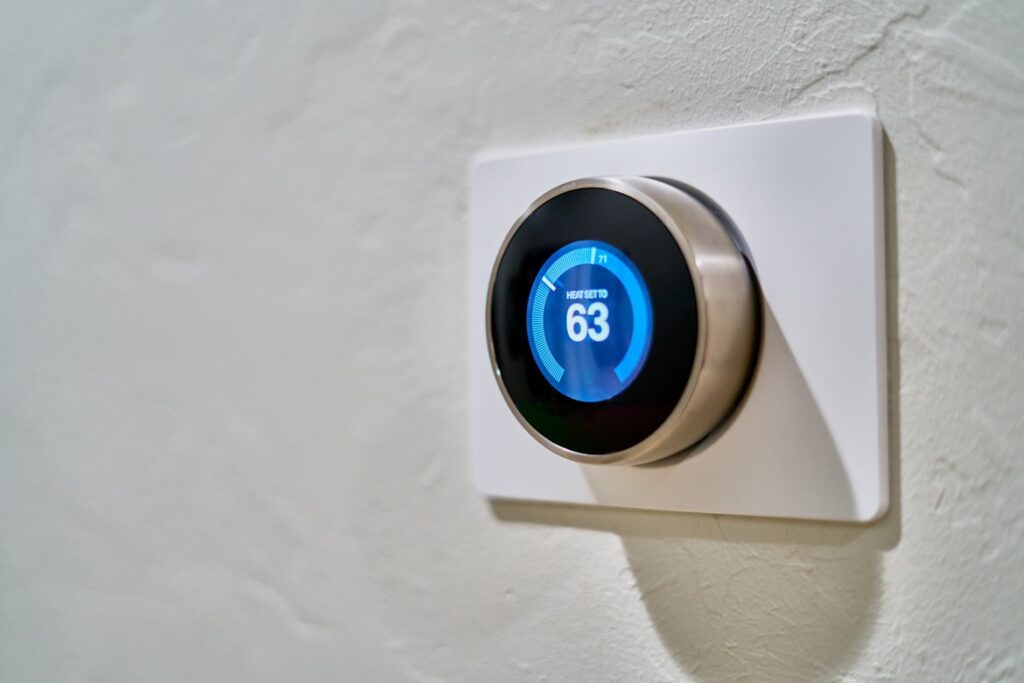
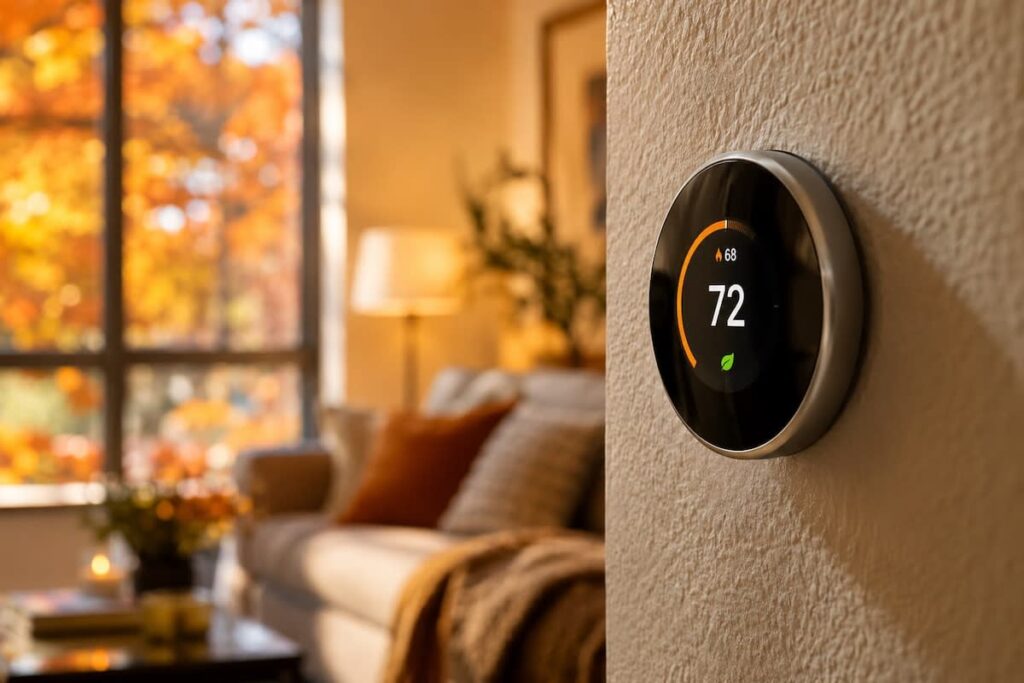
- Thermostat Malfunctions: Incorrect settings, poor placement (e.g., in direct sunlight), or faulty wiring can lead to inaccurate readings and improper cycling.
- Low Refrigerant Levels: This usually points to a leak. Low refrigerant reduces cooling efficiency and often causes the system to short cycle, a issue that requires proper AC troubleshooting and diagnostic steps to identify correctly.
- Clogged Condensate Drain Line: In AC mode, this can trigger safety switches, shutting down your unit prematurely.
- Frozen Evaporator Coil: Often a symptom of low airflow or low refrigerant, preventing efficient heat exchange and causing the unit to shut down.
- Electrical Issues: Faulty wiring, capacitors, or relays can cause erratic operation and unexpected shutdowns.
- Dirty Outdoor Unit (Condenser): Restricted airflow around the condenser coils prevents proper heat dissipation, causing the unit to overheat and shut off.
Why HVAC Short Cycling Becomes More Common in Fall
As the seasons change, your HVAC system faces new challenges that can trigger short cycling.
- Milder Temperatures and Oversized Systems: Fall’s moderate weather can make an oversized unit’s problem more noticeable. The system satisfies temperature demands so quickly it barely needs to run, leading to frequent on/off cycles.
- Temperature Swings: Fall in Lake Havasu City often brings significant temperature fluctuations between day and night. Your thermostat struggles to adapt, causing your system to turn on and off more often trying to maintain a consistent temperature.
- Transition Period: When homes switch from relying primarily on cooling to occasional heating, or if systems run in “auto” mode, the unit might not be optimized for these fluctuating demands, leading to inefficiency and short cycles.
- Initial Heating Demands: The first few times your furnace kicks on in fall, minor issues like a dirty flame sensor or ignitor problems might cause it to short cycle before establishing a consistent heat.
What You Can Check If Your HVAC System is Short Cycling
Before calling for service, there are a few simple things you can inspect:
- Inspect Your Air Filter: Check for dirt and dust. If it’s clogged, replace it with a clean one.
- Review Thermostat Settings: Ensure it’s set correctly for the season (heating or cooling) and that batteries are fresh if it’s a battery-powered unit.
- Clear the Area Around Your Outdoor Unit: Remove any leaves, debris, or overgrown plants that might be blocking airflow to the condenser.
- Check for Obvious Obstructions: Make sure all supply and return vents inside your home are open and not blocked by furniture or drapes.
When to Call a Professional for HVAC Short Cycling Issues
If basic troubleshooting doesn’t fix your hvac short cycling issue, or if you suspect more serious problems like refrigerant leaks, a frozen coil, or electrical faults, it’s time to call the experts.
The Weatherman AC provides reliable professional HVAC repair services for homes and businesses in Lake Havasu City, ensuring your system runs efficiently and reliably.
Don’t let short cycling shorten your system’s life or spike your energy bills. Contact us today for a thorough diagnosis and lasting solutions.