In Lake Havasu City, our air conditioners don’t just “work”—they perform a high-stakes marathon every single day from May to September.
When the mercury hits 115°F, your HVAC system is under more pressure than almost anywhere else in the country.
Understanding the most common summer hvac failures is the first step toward ensuring your home remains a cool sanctuary rather than a literal oven.
Here is what typically goes wrong when the heat stays on high.
The “Big 3” Summer HVAC Failures in the Desert
1. Capacitor and Electrical Blowouts
The capacitor is like a giant battery that gives your motor the “kick” it needs to start. In extreme heat, these components can overheat and bulge, leading to a system that hums but won’t start.
- The Symptom: You hear a clicking or humming sound from the outdoor unit, but the fan isn’t spinning.
- The Prevention: During a professional tune-up, technicians test the “mfd” (microfarads) of your capacitors to replace them before they pop on a Sunday afternoon.
2. Frozen Evaporator Coils (Yes, in 110° Heat!)
It sounds like a paradox, but your AC can actually turn into a block of ice in the middle of July. This usually happens due to restricted airflow or low refrigerant levels.
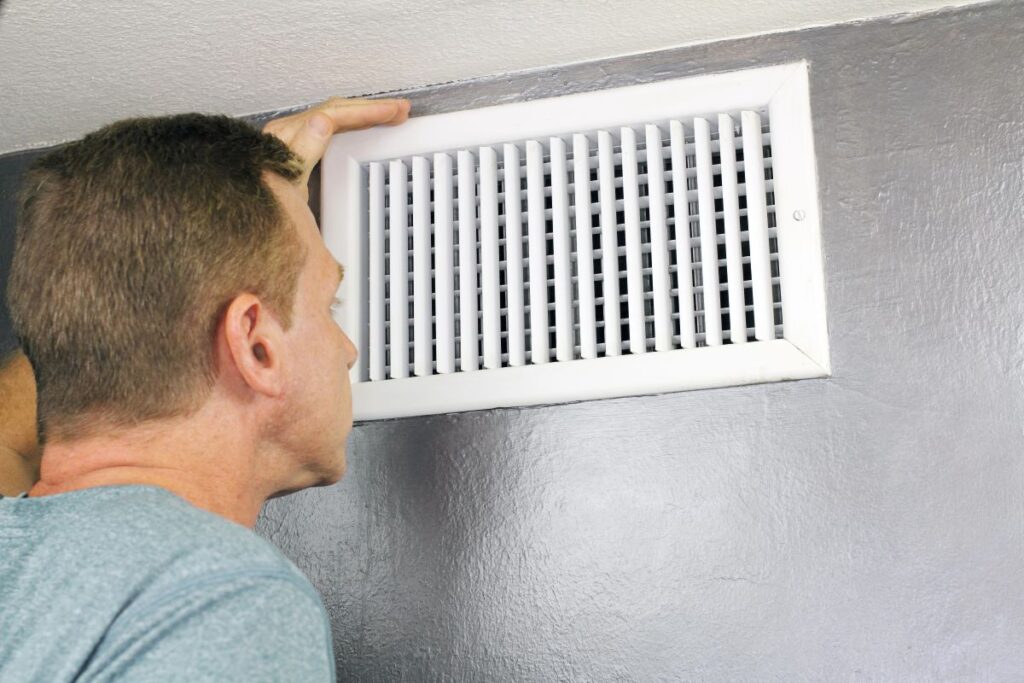
- The Symptom: Reduced airflow or warm air blowing from the vents, often accompanied by ice visible on the copper lines.
- The Prevention: Regularly changing your filters and scheduling HVAC Repair & Maintenance ensures your coils stay clean and your refrigerant stays charged.
3. Clogged Condensate Drain Lines
Your AC pulls gallons of moisture out of the air every day. In our dusty environment, that moisture mixes with fine desert sand to create what locals call ‘desert cement,’ leading to a stubborn ‘mud clog‘ in your drain line.
- The Symptom: Water pooling around your indoor unit or the system shutting down entirely (if you have a safety float switch).
- The Prevention: A professional “flush and clear” of your drain lines during your spring service prevents water damage to your ceilings and floors.
Proactive Steps: How to Protect Your System
You don’t have to wait for a breakdown to take action. Follow these local expert tips to extend the life of your unit:
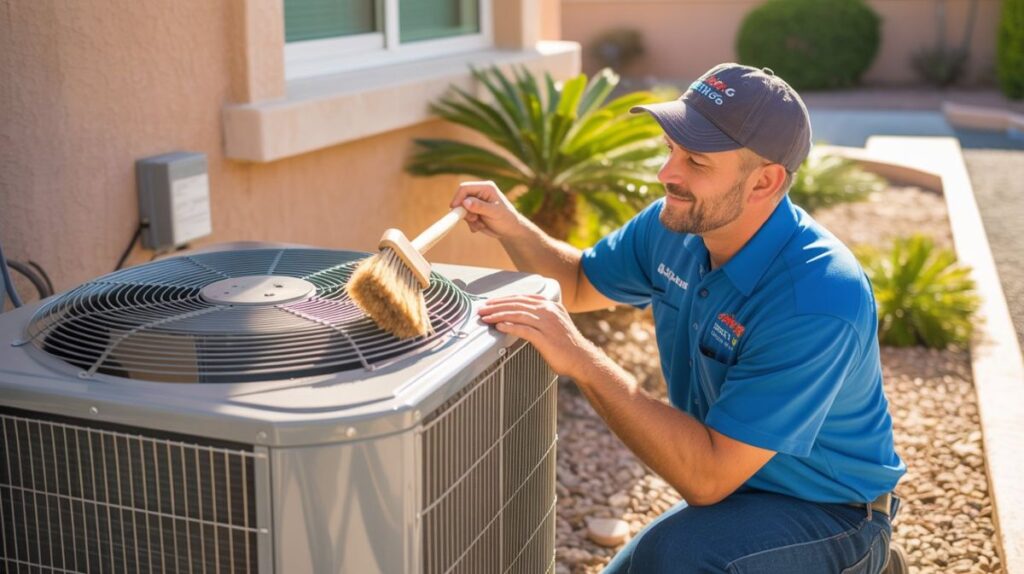
- Clear the Perimeter: Keep bushes and debris at least two feet away from your outdoor “suitcase-style” condenser to allow for maximum heat exhaust.
- Mind the Filter: In the dusty Havasu spring, check your filters every 30 days. A clogged filter is the #1 cause of avoidable summer hvac failures.
- Check the “Bleed-Off”: If you use a swamp cooler for pre-summer cooling, ensure your bleed-off system is working to prevent mineral scale from choking the pads.
- Guard Against Voltage Spikes: Our summer storms and grid fluctuations are notorious for damaging electrical components. Consider installing a whole-home surge protector—it’s a small, high-value investment that can prevent a costly capacitor or compressor blowout.
When It’s Time for a Change
Sometimes, a system is simply too old to win the battle against an Arizona summer. If your energy bills are skyrocketing and repairs are becoming a monthly ritual, it might be time to look into modernHVAC Installation and Replacement Services. Modern high-SEER units are specifically designed to handle “extreme heat” days with much lower electrical consumption.
For perspective: A 10-year-old system working at SEER 10 is costing you roughly 40% more to run than a new SEER2 16+ unit during a Havasu July. That money could be going toward a reliable, modern system
Beat the Heat Before It Beats You
Don’t wait for the first 100-degree day to find out your AC is failing. Our team at The Weatherman AC provides comprehensive HVAC Installation, Replacement, Repair and Maintenance Services tailored for the Lake Havasu lifestyle.
Contact us before the summer surprises you!