TL/DR: Hard water is a big problem for swamp coolers in Lake Havasu, severely impacting efficiency and lifespan.
It clogs pads with mineral deposits, reducing cooling and costing you more.
We’ll show you exactly how hard water affects swamp cooler pads and practical steps you can take to prevent damage and keep your cooler running great.
The Hidden Threat of Hard Water in Your Swamp Cooler
Many folks in Lake Havasu City rely on swamp coolers to beat the heat, and for good reason—they’re efficient. But there’s a sneaky enemy lurking in our local water supply: hardness. Our water has high mineral content, primarily calcium and magnesium.
When this hard water evaporates in your swamp cooler, these minerals don’t disappear. Instead, they get left behind, building up on surfaces—especially those critical cooling pads.
Understanding how hard water in a swamp cooler causes main operational problems helps explain why this buildup isn’t just unsightly, but actively damages your system.
How Hard Water Affects Swamp Cooler Pads: A Closer Look
Hard water’s impact on swamp cooler pads is a tale of diminishing returns. Initially, you might not notice much, but over time, the performance really suffers. It’s a gradual process that can lead to significant issues.
Mineral Buildup and Clogging
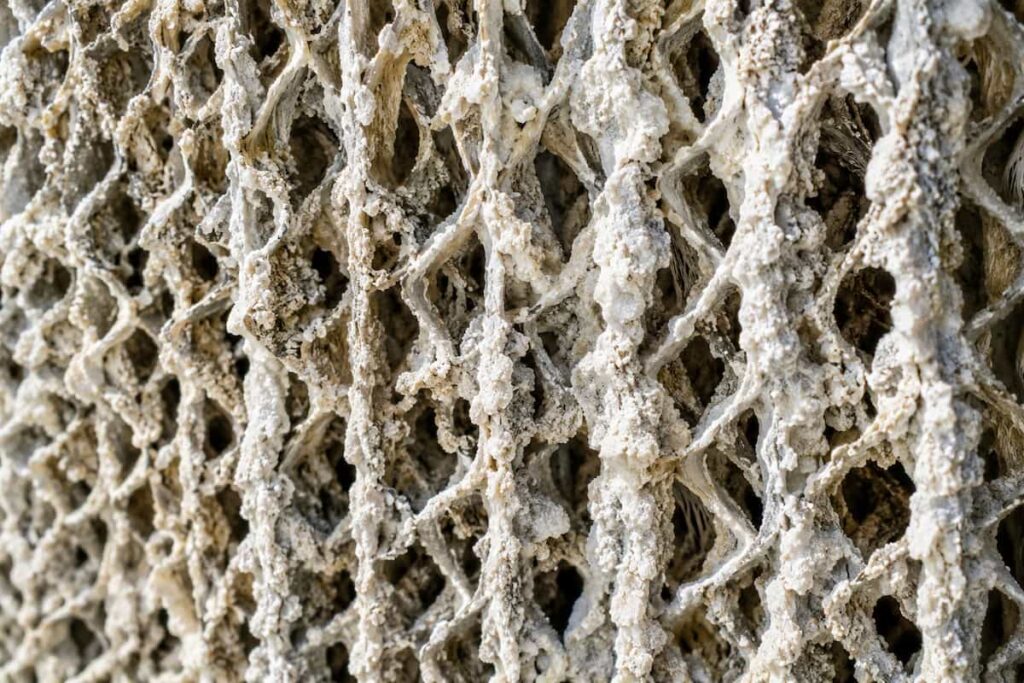
As water cycles through the pads and evaporates, minerals deposit onto the pad fibers. These deposits, often appearing as white, chalky crust, build up layer by layer. Eventually, they block the pores and channels within the pad material.
- Reduced Airflow: Clogged pads restrict the passage of air, making your cooler work harder to pull air through. This means less cool air enters your home.
- Uneven Water Distribution: Mineral buildup can also prevent water from spreading evenly across the pad. Dry spots appear, further reducing cooling efficiency and creating hot zones.
- Decreased Evaporation: The primary function of swamp cooler pads is to provide a large surface area for water evaporation. When coated in minerals, this surface area shrinks, and the rate of evaporation drops significantly.
Damage to Pad Material
The mineral crust isn’t just a surface issue; it can actually damage the pad material itself. Cellulose pads, common in many coolers, can become brittle and rigid due to constant mineral saturation and drying.
This leads to pads that wear out much faster than they should. They might crumble, tear, or lose their structural integrity, necessitating frequent and often costly replacements.
Increased Energy Consumption
When your swamp cooler can’t cool efficiently because of mineral-laden pads, it tries to compensate. The motor runs longer and works harder to achieve the desired temperature, drawing more electricity.
This translates directly to higher utility bills, negating the energy-saving benefits a swamp cooler typically offers. Essentially, your hard-working cooler becomes less efficient and more expensive to run.
Practical Steps to Combat Hard Water Damage
Don’t despair! While Lake Havasu water is hard, you’ve got options to protect your swamp cooler pads. Taking proactive steps can save you headaches and money.
Regular Pad Cleaning and Replacement
This is your first line of defense. Routinely inspecting and cleaning your pads can remove early mineral buildup. For heavily crusted pads, replacement is often the best solution.
- Annual Replacement: In hard water areas, plan to replace your pads at least once a season, if not more, depending on usage.
- Deep Cleaning: For less severe buildup, soak pads in a mild acidic solution (like white vinegar and water) to dissolve minerals. Always follow manufacturer guidelines.
Using a Bleed-Off or Purge Pump
Many modern swamp coolers have a bleed-off system or can be fitted with a purge pump. These systems work by continually draining a small amount of water from the reservoir while fresh water enters.
This process helps to reduce the concentration of minerals in the water, slowing down the rate of buildup on your pads and other components. It’s a simple, effective way to manage hard water’s effects.
Consider a Water Treatment System
For a more comprehensive solution, you might look into installing a whole-house water softener. This treats all the water entering your home, significantly reducing mineral content not just for your swamp cooler but for all your appliances and plumbing.
While a larger investment, it offers long-term benefits across your entire home. Talk to a local plumbing expert about options that fit your needs and budget.
Professional Swamp Cooler Care in Lake Havasu City
Dealing with hard water is a reality for residents in Lake Havasu City, and it directly impacts how well your swamp cooler works. Regular maintenance isn’t just a suggestion; it’s a necessity to ensure your unit stays efficient and lasts longer.
If you’re noticing reduced cooling, increased energy bills, or visible mineral buildup on your pads, it’s time to call in the pros. The Weatherman AC specializes in all aspects of cooling systems, including expert swamp cooler maintenance for homes and businesses in Lake Havasu City, Arizona.
Our team can assess your system, clean or replace pads, check for hard water damage, and recommend the best solutions to keep your swamp cooler running optimally, helping you beat the desert heat efficiently. Give us a call today for reliable service.