This guide helps Lake Havasu City homeowners understand and improve their winter indoor air quality.
Learn why cold weather impacts your home’s air, identify common pollutants, and discover practical steps to ensure you breathe cleaner, healthier air all season long.
Why Winter is Unique for Indoor Air Quality
Reduced Ventilation: The Closed-Window Effect
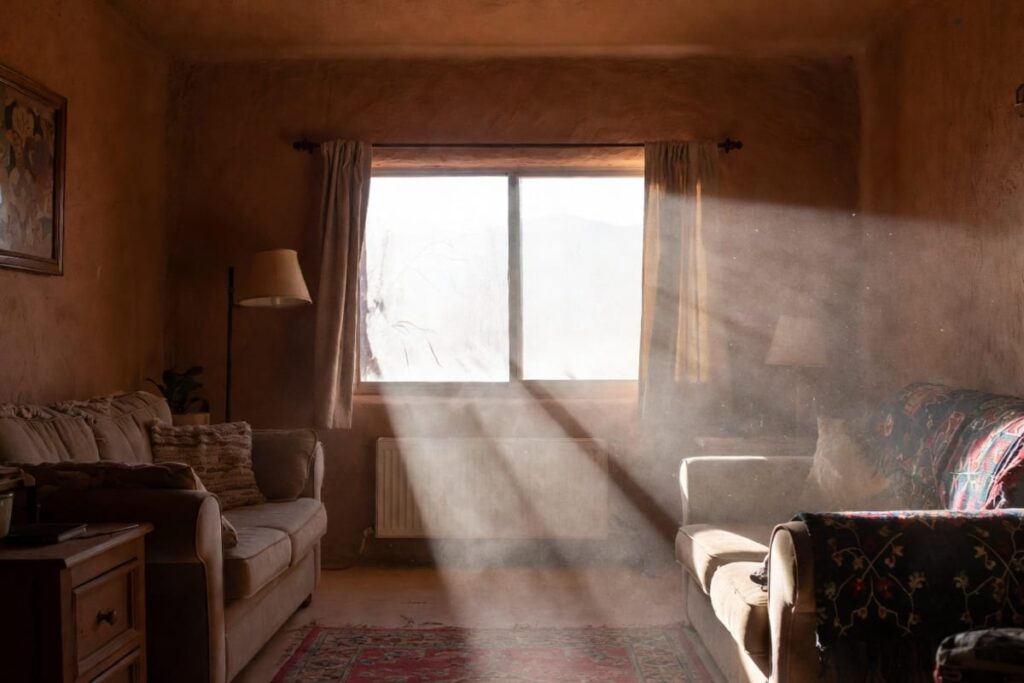
When windows stay shut, your home seals in warmth but also traps pollutants. Less outdoor air exchange means airborne particles and gases accumulate, making your indoor air stale and unhealthy.
Increased Indoor Activities and Sources of Pollutants
We spend more time indoors during winter, leading to increased cooking, cleaning, and hobbies. Activities like burning candles, using fireplaces, or wood stoves add extra pollutants to the air.
The Role of Heating Systems
Your furnace circulates dust, allergens, and other particles throughout your home. Faulty heating systems also pose a serious risk for carbon monoxide leaks, a silent but deadly threat.
Common Indoor Air Pollutants in Winter Homes
Carbon Monoxide (CO): The Silent Killer
CO is an odorless, colorless gas from furnaces, gas stoves, and fireplaces. Symptoms include headaches, dizziness, and nausea; high levels can be fatal. Never idle cars in attached garages.
Radon: A Hidden Danger
Radon comes from the natural breakdown of uranium in soil and rock, seeping into homes. It’s a leading cause of lung cancer; testing your home, especially basements, is crucial.
Volatile Organic Compounds (VOCs)
VOCs are gases from cleaning products, paints, air fresheners, new furniture, and building materials. These can cause eye, nose, and throat irritation, headaches, and longer-term health issues.
Particulate Matter (PM2.5, Dust, Pet Dander)
Tiny particles like dust, pet dander, and those from cooking or burning can irritate lungs. These can worsen asthma and allergies, impacting overall respiratory health.
Mold and Mildew
Excess humidity from showering, cooking, or leaks creates ideal conditions for mold. It causes respiratory problems, allergic reactions, and can damage your home’s structure.
Humidity Imbalance: Too Dry or Too Damp?
Overly dry air irritates airways and skin, while too much humidity fosters mold and dust mites. Maintaining a balanced humidity level is key for comfort and health.
Health Impacts of Poor Winter Indoor Air Quality
Respiratory Issues and Allergies
Poor air quality often exacerbates asthma, bronchitis, and seasonal allergies. You might notice persistent coughing, sneezing, a sore throat, or general breathing discomfort.
Headaches, Fatigue, and Concentration Problems
Elevated CO2 levels or VOCs can lead to symptoms like headaches, persistent fatigue, and difficulty concentrating. These subtle signs often point to poor indoor air.
Other Potential Health Concerns
Beyond respiratory issues, continuous exposure to pollutants can cause skin and eye irritation. Long-term risks include more serious conditions from prolonged exposure to harmful substances.
Practical Steps to Improve Your Winter Indoor Air Quality
Enhance Ventilation (Smartly)
Even in winter, briefly open windows for cross-ventilation for a few minutes daily. Always use exhaust fans in kitchens and bathrooms, and ensure all fuel-burning appliances are properly vented.
Maintain Your Heating System
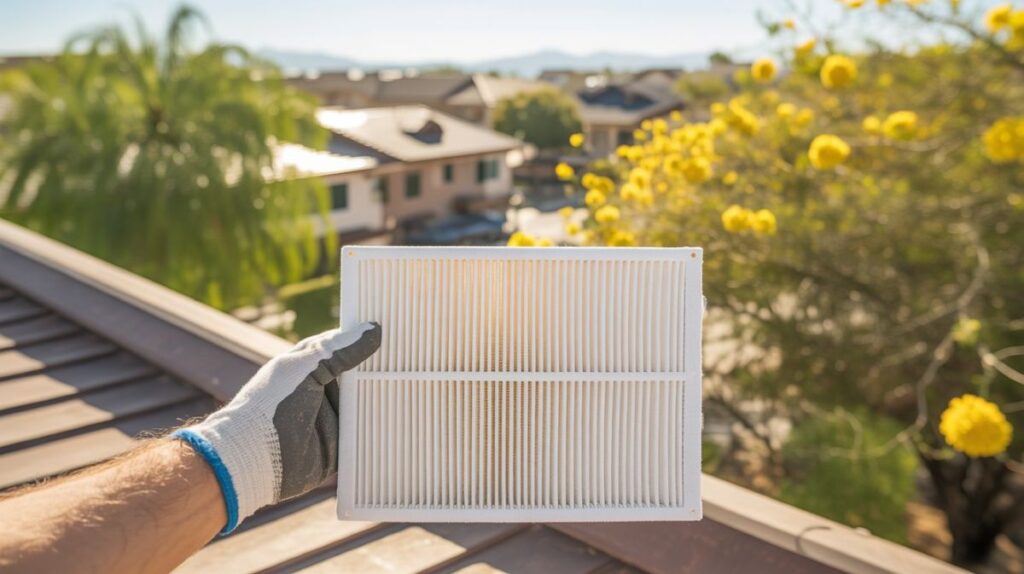
Schedule annual furnace inspections and tune-ups with a professional. Regularly change your air filters; look for a MERV rating of 8-13 for effective particle capture.
Manage Indoor Humidity Levels
Use humidifiers for dry air, but remember to clean them often to prevent mold growth. Fix any leaks promptly, ensure good ventilation, and use hygrometers to monitor levels accurately.
Control Sources of Pollutants
Clean and dust regularly, using a HEPA-filter vacuum cleaner to trap particles. Choose eco-friendly cleaning products and safely store household chemicals away from living spaces. Never smoke indoors.
Monitor Air Quality
Install and regularly check carbon monoxide detectors on every level of your home. Test for radon, especially if you have a basement. Consider smart air quality monitors for ongoing data.
Consider Advanced Air Purification and Filtration
Portable air purifiers with HEPA filters offer room-specific solutions. For robust home-wide protection, look into whole-home air purification systems or UV lights.
The Weatherman AC: Your Partner for Optimal Home Comfort in Lake Havasu City
Don’t let poor indoor air quality compromise your comfort and health this winter.
The Weatherman AC offers expert air quality services, including advanced filtration system installations, duct cleaning, and comprehensive HVAC maintenance, ensuring you breathe easy and stay healthy in your Lake Havasu City home.
Contact us today for a consultation and discover how we can help improve your indoor air.