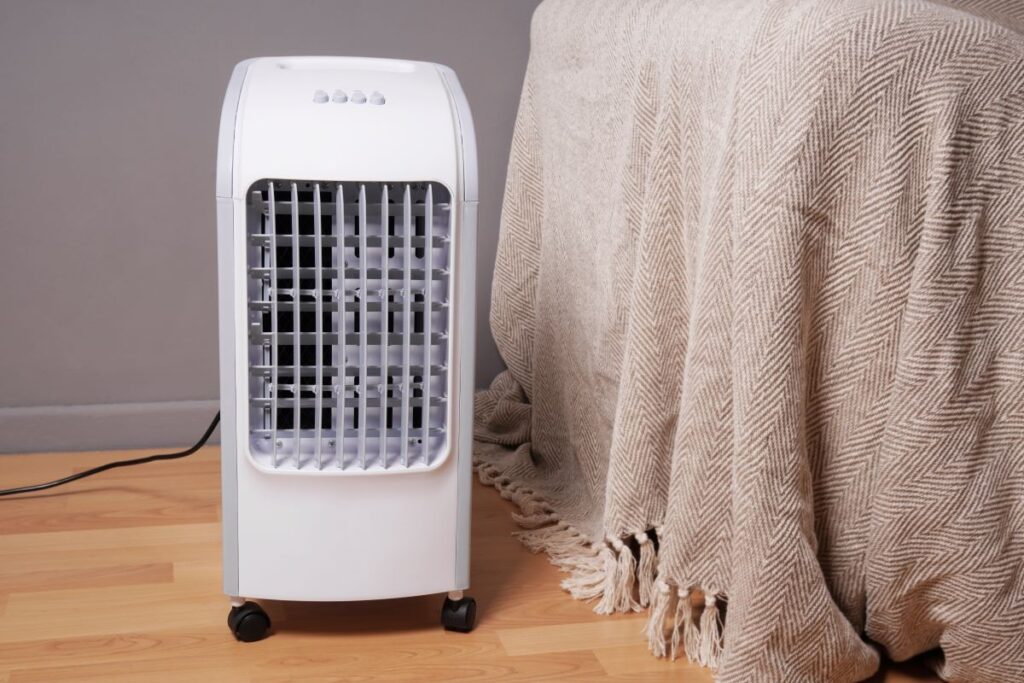
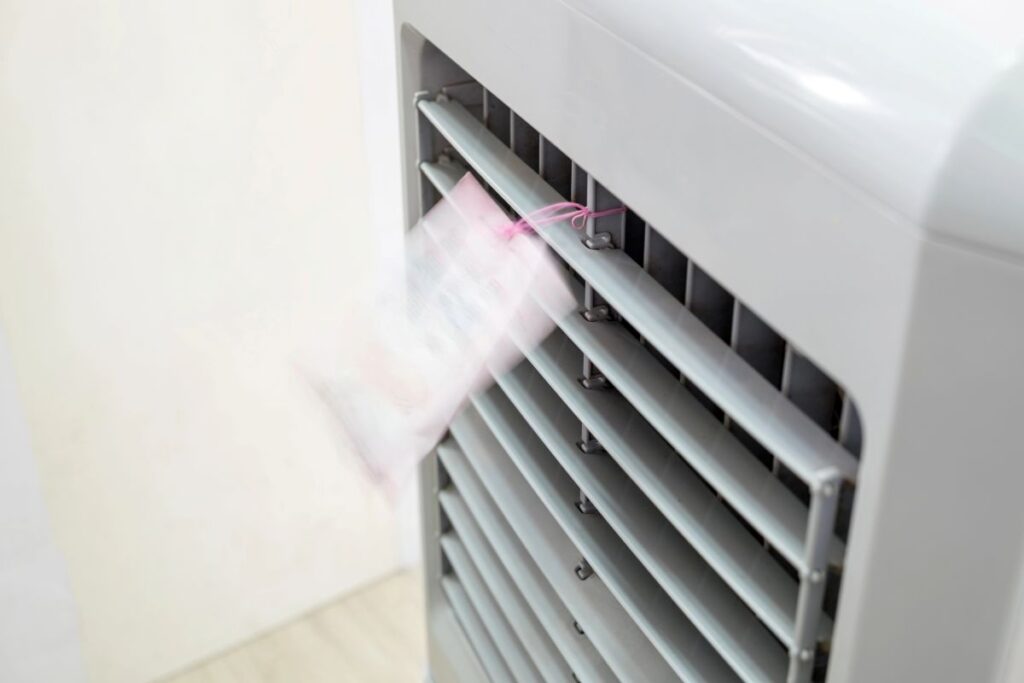
The best pads for swamp coolers depend on your budget and maintenance habits.
Aspen pads are affordable and cool well but need yearly replacement. Rigid media pads cost more upfront but last years and offer the best efficiency. Synthetic pads are the easiest to clean but don’t cool quite as effectively.
Choosing the right pad for your evaporative cooler is the difference between a breezy home and a muggy, frustrating summer.
In a dry climate, these pads do all the heavy lifting by soaking up water and cooling the air as it passes through.
If the pads are old or made of the wrong material, your unit will work twice as hard for half the result.
Understanding the Different Types of Swamp Cooler Pads
Not all swamp cooler pads are created equal. Depending on your unit’s model and how much time you want to spend on upkeep, one of these three common materials will likely be your best bet.
Aspen Wood Fiber Pads
Aspen pads are the traditional choice you’ve probably seen at every hardware store.
They are made from shredded aspen wood fibers held together by a thin plastic mesh. These fibers are incredibly thirsty, which means they soak up water quickly and provide great cooling.
They are very inexpensive, making them a go-to for many homeowners. However, they tend to sag over time as they get heavy with water.
You’ll usually need to replace these every single year because they can become brittle and start to smell like wet wood if left too long.
Rigid Media Pads
If you have a modern, high-efficiency cooler, you likely use rigid media. These look like thick blocks of corrugated cardboard or honeycomb material.
They are designed to provide a massive amount of surface area for water evaporation, making them incredibly efficient.
The biggest perk here is longevity. While aspen pads die after one season, rigid media can last three to five years if you treat it right.
The downside is the price tag; these are a significant investment compared to wood or plastic alternatives.
Synthetic and Polyester Pads
Synthetic pads are usually made from spun plastic or polyester fibers, often colored blue or green.
They are much sturdier than aspen fibers and won’t rot or break down as easily. Many people choose them because they are easy to wash off with a hose.
Because they don’t absorb water into the actual fibers like wood does, they rely on the water clinging to the surface.
This means they generally don’t cool the air as deeply as aspen or rigid media. They are a solid “middle of the road” option if you hate the smell of wood pads.
Best Pads for Swamp Coolers: Comparing Your Options
When deciding on the best pads for swamp coolers, you have to balance performance against your willingness to do maintenance.
If you want the absolute coldest air possible without spending a fortune, aspen is a strong contender despite the yearly swap.
For those who want a “set it and forget it” solution, rigid media wins every time. It keeps its shape, doesn’t sag, and provides consistent cooling for years.
Synthetic pads are best if you live in an area where mold is a concern, as plastic doesn’t provide a food source for growth like wood does.
Factors to Consider Before Buying New Pads
Before you head to the store, check the thickness of your current pads. Most standard coolers use 1-inch or 2-inch pads, but high-efficiency models might require 8-inch or 12-inch rigid blocks.
A pad that is too thin will let hot air bypass the water, leaving you warm.
Local water quality also plays a huge role. If you have hard water, minerals will build up on your pads and turn them into “rocks” that air can’t pass through.
In these cases, you might find yourself replacing even the “long-lasting” pads more frequently than expected.
How to Tell When Your Pads Need Replacing
You don’t always need a calendar to tell you it’s time for a change. If you see white, crusty mineral deposits covering more than half the pad, it’s time to move on.
These deposits block airflow and put a strain on your cooler’s motor.
If your house feels humid rather than cool, or if you smell something musty when the fan kicks on, your pads are likely the culprit.
Thinning spots or “holes” in the fiber mean the air is taking the path of least resistance, skipping the cooling process entirely.
Maintenance Tips to Extend the Life of Your Pads
You can stretch your dollar by giving your pads a little attention throughout the season.
Every month or so, take the panels off and gently rinse away any salt or mineral buildup with a low-pressure hose. Avoid using high pressure, as it can shred aspen fibers.
Make sure the water distributor tray at the top isn’t clogged. If water only hits one side of the pad, the dry side will rot faster.
Sticking to a consistent swamp cooler maintenance routine is the most effective way to ensure your pads stay efficient and your air stays fresh all summer long.
Choosing the Best Fit for Your Home
At the end of the day, the right pad is the one that fits your budget and your unit’s specs.
If you have a standard window or roof unit, aspen pads provide great cooling for a low price. If you have a premium unit, stick with the manufacturer-recommended rigid media to get your money’s worth.
Fresh pads are the easiest way to upgrade your home comfort without a massive repair bill.
Take a few minutes to inspect yours before the next heatwave hits so you aren’t stuck waiting for parts when the temperature climbs.
Get Your Swamp Cooler Ready for the Heat
Selecting the right equipment is only half the battle; proper installation and system checks make the real difference.
If you aren’t sure which pads your unit needs or if your cooler isn’t performing like it used to, we can help.
The Weatherman AC team knows exactly what it takes to keep Lake Havasu City homes cool in the desert heat. Whether you need a professional pad replacement, a seasonal tune-up, or a full system repair, our swamp cooler maintenance services have the tools to get it done right.
Give us a call today to schedule your service and stay comfortable all year!