Getting a new HVAC system installed should bring comfort, not headaches.
If your new HVAC install fails to perform as expected, don’t despair! This guide walks you through essential troubleshooting, documenting issues, understanding common causes, and taking the right steps to get your home comfortable again quickly.
Initial Steps When Your New HVAC System Fails
Don’t Panic: Acknowledge the Frustration
It’s completely disheartening when a big investment doesn’t work right away. We get it.
Take a deep breath. Staying calm helps you tackle the problem much more effectively.
Basic Troubleshooting You Can Do
- Check your thermostat: Is it set to “cool” or “heat” and at your desired temperature?
- Look at your circuit breaker panel for any tripped breakers linked to the HVAC system.
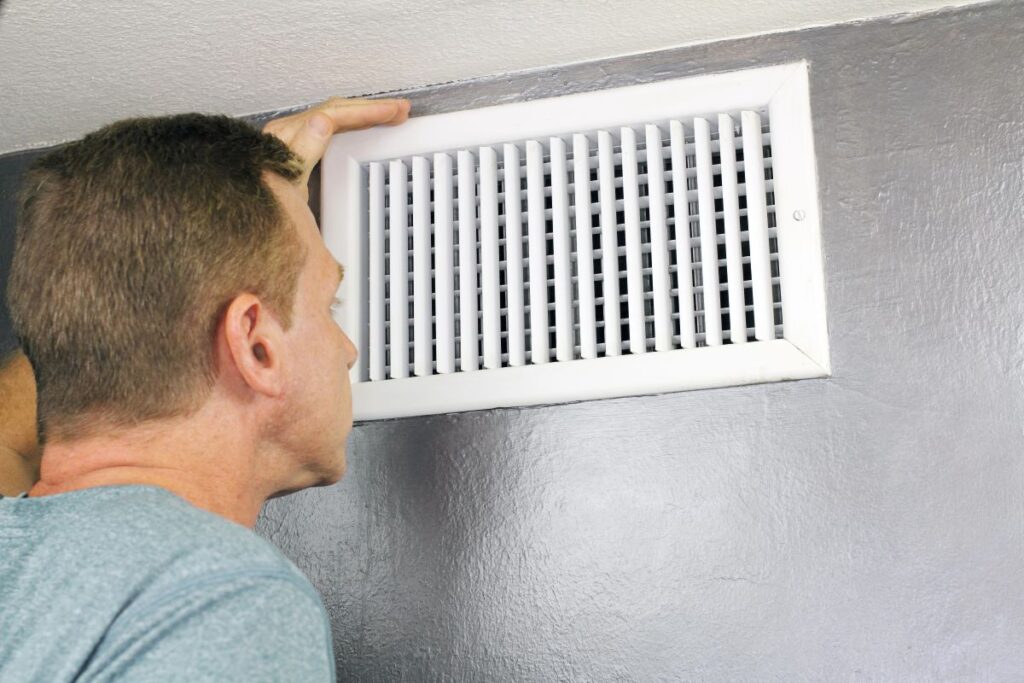
- Make sure all your home’s vents are open and nothing is blocking them.
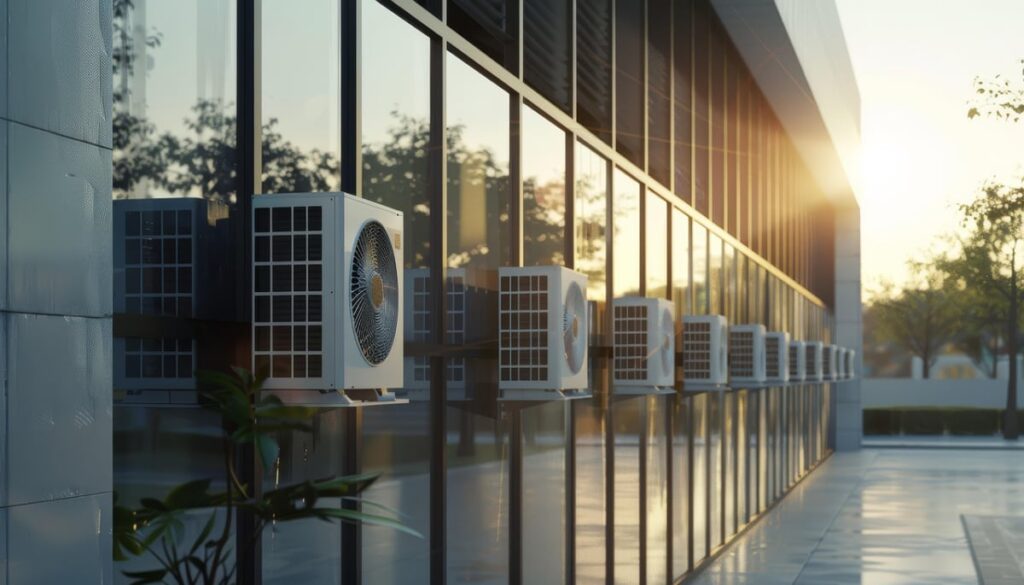
- Verify the outdoor unit (condenser/heat pump) isn’t covered in debris or blocked.
- Inspect the air filter. Even new systems can have quick clogs from construction dust.
When to Call for Professional Help (Immediately)
If those basic checks don’t fix things, it’s time to call the pros.
Call right away if you hear unusual noises or smells like burning, or see visible leaks.
Get help immediately if the system is totally unresponsive or shows error codes.
Documenting the Problem: Your Proof and Paperwork
Keep a Detailed Log of Issues
- Write down the dates and times whenever the system acts up or fails.
- Note specific symptoms: no cooling/heating, strange noises, leaks, or error codes.
- Record indoor and outdoor temperatures when problems occur.
- List any troubleshooting steps you tried yourself.
Gather All Installation-Related Paperwork
- Find your original contract from the HVAC installer.
- Locate all warranty info for both parts and labor.
- Keep the manufacturer’s manual for your new unit handy.
- Have the original installation company’s contact details ready.
Understanding Why a New HVAC Install Fails: Common Causes
Improper Sizing of the HVAC System
- Too large: Your unit will “short-cycle” – turn on and off too often – leading to poor dehumidification and wasted energy.
- Too small: It’ll run constantly, struggle to cool or heat properly, and wear out much faster than it should.
Refrigerant Issues
- Incorrect charge: Too much or too little refrigerant drastically cuts efficiency and can damage components.
- Refrigerant leaks: This often means a faulty connection or damaged line, causing a slow loss of performance.
Electrical Installation Problems
- Wrong wiring or loose connections can stop your system or cause frequent breaker trips.
- Issues can also stem from an improper voltage supply or undersized wiring.
Ductwork Deficiencies
- Leaky ducts: You lose a lot of energy and end up with uneven temperatures throughout your home.
- Improper sizing or design: This restricts airflow, making your system work harder than needed.
- Poor sealing: Reduces efficiency and can let unconditioned air into your living spaces.
Drainage System Malfunctions
- Clogged condensate lines can cause water leaks, mold growth, and safety shutdowns.
- Improperly sloped drain lines prevent water from flowing away correctly.
Faulty Components or Sensors
- Even brand-new parts, like a thermostat or pressure switch, can sometimes be defective.
- Incorrectly installed sensors give bad readings, making the system behave strangely.
Other Installation Errors
- Wrong unit placement, like restricted airflow around the outdoor unit, is common.
- Ventilation problems or incorrect flue piping for furnaces also cause issues.
- Unsecured or poorly insulated lines can lead to efficiency losses.
Contacting the Original Installer: Your First Course of Action
Referencing Your Warranty and Contract
Understand all the terms of your installation warranty, covering both labor and parts.
Be aware of any clauses that might invalidate your warranty.
Communicating Effectively with the Company
- Present your detailed log and paperwork calmly and factually.
- Clearly explain the symptoms and everything you’ve observed.
- Request a service visit and a clear action plan for getting things fixed.
- Ask for details on what they’ll do and when the work will happen.
What to Expect During Their Service Call
The technician should perform a thorough diagnostic check on your system.
They should explain their findings and propose solutions.
Be ready to discuss potential repairs, part replacements, or necessary adjustments.
When to Seek a Second Opinion
Signs Your Original Installer Isn’t Resolving the Issue
- You’ve had repeated service calls for the same problem with no lasting fix.
- There’s a lack of clear communication or they seem evasive.
- They refuse to honor the warranty or try to blame outside factors.
- You’re still uncomfortable or facing high energy bills despite their “repairs.”
How to Choose a Reputable Second Opinion
Look for certified and highly-rated HVAC technicians in your area.
Choose companies known for transparent pricing and strong customer reviews.
Remember, investing in a proper HVAC installation and replacement service from the start prevents these headaches. A fresh look from a trusted pro is invaluable for accurate diagnosis and effective repairs.
Protecting Your Investment: Next Steps and Prevention
Understanding Your Rights as a Consumer
Get familiar with your state’s consumer protection laws.
If the installer is unresponsive and it seems like a factory defect, contact the manufacturer directly.
Post-Repair Verification
After any repair, closely monitor your system to confirm the problem is truly gone.
Always ask for documentation detailing the repair work performed.
The Importance of Regular Maintenance for New Systems
Even new systems perform better with annual tune-ups. This ensures peak efficiency and catches small issues before they become big ones.
Don’t Let a Failed HVAC Install Leave You in the Heat (or Cold) in Lake Havasu City!
If your new HVAC install fails, you need reliable experts to get your home comfortable again. The Weatherman AC offers comprehensive HVAC installation and replacement services for homes and businesses in Lake Havasu City, Arizona.
Whether you need a second opinion, expert HVAC repair, or are considering a future new HVAC installation with confidence, our certified technicians are here to help. Contact us today for trusted service and peace of mind!