TL/DR: Arizona’s allergy season is tough, and your HVAC system plays a crucial role in managing indoor allergens. Optimizing your hvac for allergies in arizona can significantly improve your home’s air quality and provide much-needed relief. Learn how to turn your home into an allergy-relief zone.
Understanding Arizona’s Unique Allergy Challenges
The Desert’s Double-Edged Sword:
Arizona is known for its beautiful desert landscapes. However, this beauty brings common outdoor allergens like pollen from desert broom, ragweed, and olive trees. These can trigger relentless allergy symptoms.
A dry climate might sound like it would prevent allergies. But don’t be fooled; our unique environment can still harbor plenty of irritants, both inside and outside your home.
Indoor Allergens: The Hidden Culprits:
Even with a tight home, microscopic irritants live inside. Dust mites, pet dander, mold spores, and other allergens commonly lurk in our homes.
Focusing on indoor air quality (IAQ) is vital. It’s often the overlooked factor when dealing with persistent allergy symptoms in Arizona.
How Your HVAC System Interacts with Allergens
The HVAC as a Circulation System:
Your HVAC system constantly moves air throughout your entire home. It’s designed to keep you comfortable by circulating conditioned air.
This circulation system can either filter out allergens or inadvertently spread them. Proper management is key to preventing widespread allergen distribution.
Common HVAC-Related Issues That Can Worsen Allergies:
Several HVAC problems can make allergies worse. These issues often go unnoticed but have a big impact on your breathing.
- Dirty or inefficient air filters let allergens pass through easily.
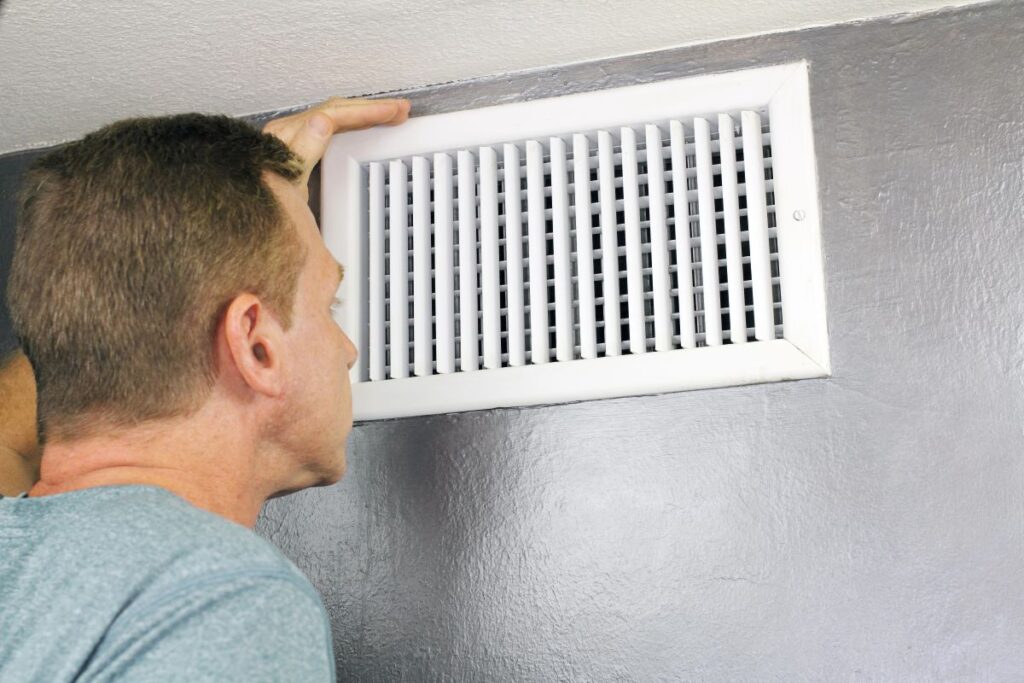
- Dust and debris build up in ductwork, becoming a constant source of irritants.
- Improper humidity levels encourage mold growth or dust mite populations.
- Leaky ductwork can draw in unfiltered outside pollutants directly into your living space.
HVAC Solutions for Improving Indoor Air Quality and Allergy Relief
The Right Air Filter: Your First Line of Defense
Air filters are your home’s first line of defense against airborne particles. MERV ratings (Minimum Efficiency Reporting Value) tell you how well a filter captures particles.
For hvac for allergies in arizona in residential settings, we recommend MERV 8-13 filters. These ratings balance effective filtration with good airflow for your system.
Remember to change your air filters regularly, especially during peak allergy season. A clogged filter can’t do its job, and it restricts airflow.
Addressing Your Ductwork: Beyond Just Air Filters
Professional duct cleaning removes years of accumulated dust, pollen, and pet dander. It’s a crucial step for truly clean indoor air.
Leaky or unsealed ducts waste energy and compromise your air quality. They allow outdoor allergens and pollutants to seep into your home.
Proper duct sealing is essential. It prevents outside contaminants from entering your home and ensures your HVAC system works efficiently.
Advanced Air Purification and Filtration Systems
- Whole-Home Air Purifiers: These systems integrate directly into your HVAC. They use HEPA filters or electronic air cleaners to capture even the smallest particles.
- UV Lights: Ultraviolet germicidal irradiation (UVGI) lamps can be installed in your HVAC coils and ductwork. They neutralize mold spores, bacteria, and viruses.
Humidity Control: Balancing Your Home’s Moisture
Both excessively high and low humidity levels can trigger allergy symptoms. Finding the right balance is important for comfort and health.
Your air conditioning system naturally helps dehumidify your home. This is especially beneficial in preventing mold growth.
For optimal control in Arizona’s climate, consider whole-home humidifiers or dehumidifiers. They ensure your home maintains ideal moisture levels for allergen control.
Proactive Steps for Lasting Allergy Relief
The Critical Role of Regular HVAC Maintenance
Professional tune-ups are essential for your system’s efficiency. They ensure it effectively filters air and performs as it should.
Routine checks can catch and prevent issues that lead to poor air quality before they become major problems. Stay ahead of allergy triggers.
To ensure your entire HVAC system is running at its best, preventing future issues, consider scheduling regular HVAC repair and maintenance services to keep it in peak condition.
When to Consider an HVAC System Upgrade
Are you constantly battling allergies despite your best efforts? Your existing system might be outdated or insufficient for modern air quality needs.
Investing in a new, energy-efficient system can offer superior filtration and better air quality. It’s a long-term solution for HVAC allergies in Arizona.
Complementary Strategies for a Healthier Home Environment
Beyond HVAC, regular deep cleaning of your home helps immensely. Vacuum with HEPA filters and dust frequently.
Managing pet dander and other household allergens through consistent cleaning is also vital. Minimize their presence where possible.
Try to limit bringing outdoor allergens inside. Remove shoes at the door and wash clothes after outdoor activities.
Take Control of Your Indoor Air Quality This Allergy Season
Don’t let Arizona’s allergy season get the best of you. If you’re in Lake Havasu City or the surrounding areas and suspect your HVAC system is contributing to your allergy woes, The Weatherman AC is here to help.
Our experienced technicians specialize in providing comprehensive HVAC repair and maintenance services, and air conditioning solutions designed to improve your indoor air quality and bring you lasting comfort.
From expert maintenance and repairs to advanced air purification system installations, we have the solutions to help you breathe easier. Contact The Weatherman AC today to schedule a consultation and make your home an allergy-relief zone.