TL/DR: Keeping your HVAC ducts clean is vital for indoor air quality and system efficiency. While you can handle some basic tasks to clean HVAC ducts yourself, deeper issues like mold or pests require professional attention to ensure a truly healthy home.
Why Clean Your HVAC Ducts?
Clean air ducts are more than just about aesthetics; they’re about your home’s health. Over time, your ductwork can become a repository for various unwelcome guests, impacting the air you breathe daily.
Common Contaminants Found in Ducts
Ducts often harbor a surprising array of debris. These include common household dust, pet dander, and outdoor pollen that gets drawn in. More concerning are mold spores, and in some cases, evidence of pests like rodents or insects.
Benefits of Clean Air Ducts
Having clean ducts significantly improves your indoor air quality, helping reduce allergens and respiratory irritants. This also means your HVAC system can operate more efficiently, potentially saving you on energy bills.
Signs Your Ducts Need Cleaning
Not sure if your ducts are overdue for a clean? Watch out for these tell-tale indicators that it might be time to take action.
Visible Mold or Debris Around Vents
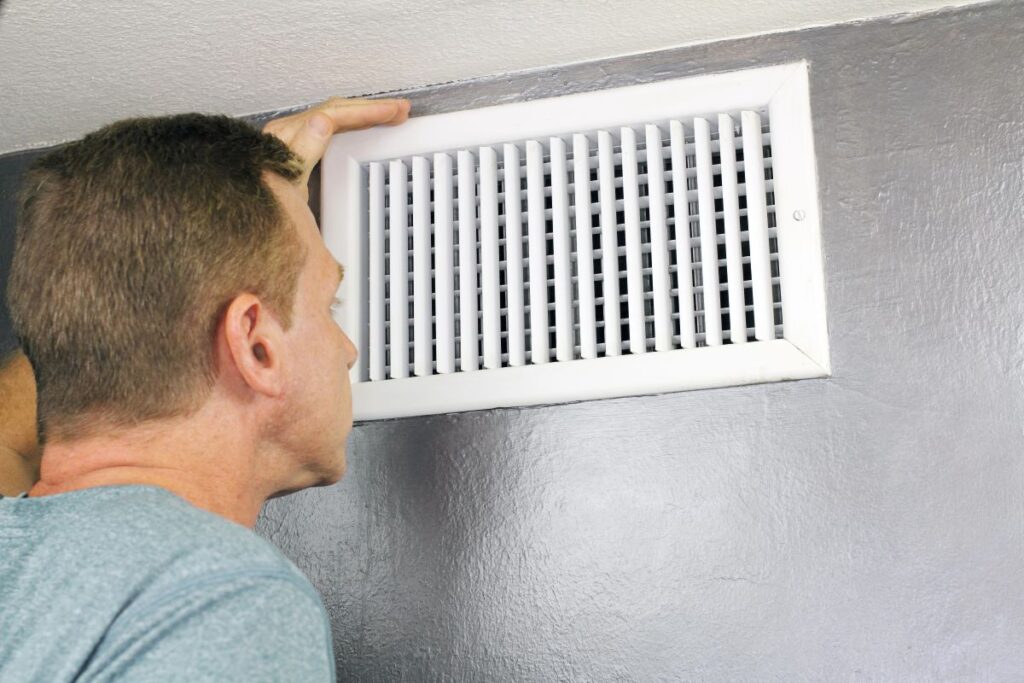
If you see dark spots around your vents or actual debris clinging to the grilles, it’s a clear sign. This indicates contaminants are present and likely circulating in your air.
Persistent and Unexplained Odors
A musty, stale, or unusual smell emanating from your vents when the HVAC system is running can point to mold, mildew, or even pest activity within your ductwork.
Excessive Dust Accumulation on Surfaces
Are you dusting more than usual, only for a fresh layer to reappear quickly? Your ducts could be blowing dust throughout your home, contributing to this endless cycle.
Exacerbated Allergy or Respiratory Symptoms in Occupants
If family members are experiencing worsening allergies, asthma, or unexplained respiratory irritation indoors, dirty ducts might be a contributing factor.
Evidence of Pest Infestation
Finding droppings, nesting materials, or hearing scurrying sounds in your walls or ceiling means pests could be living—and leaving behind waste—in your duct system.
Can You DIY Clean Your HVAC Ducts? Understanding the Limitations
It’s tempting to tackle duct cleaning yourself. While some surface-level maintenance is feasible, it’s crucial to understand what you can realistically achieve and when to call in the pros.
What DIY Cleaning Can (and Cannot) Achieve
DIY methods are good for removing superficial dust and light debris from accessible areas. However, they can’t effectively handle deep-seated mold, stubborn grime, or extensive blockages found further inside your ductwork.
Potential Risks of Improper DIY Cleaning
Without the right tools and techniques, you risk spreading contaminants further into your home’s air. You could also accidentally damage the delicate insulation or internal components of your ductwork or HVAC system.
DIY HVAC Duct Cleaning: Step-by-Step Guide for Basic Maintenance
For those wanting to perform basic, surface-level cleaning, here’s a simplified guide. Remember, this is for maintenance, not deep cleaning.
Tools and Materials You’ll Need
- Heavy-duty vacuum cleaner with hose attachments
- Stiff brush (long-handled if possible)
- Screwdriver or drill (for vent covers)
- Protective gear (mask, gloves, safety glasses)
- Plastic sheeting or drop cloths
- Duct tape
- Flashlight
Preparation Steps
- Turn off your HVAC system completely at the thermostat and then at the circuit breaker for safety.
- Cover all your supply registers (the ones that blow air out) with plastic sheeting and duct tape. This creates a vacuum effect.
- Locate and open the main return air vent(s), which are usually larger and draw air in.
Cleaning the Return Air Vents and Ducts
- Remove the grilles from the return air vents and vacuum them thoroughly.
- Reach into the duct as far as possible with your vacuum hose and a stiff brush, dislodging any visible dust and debris.
Cleaning the Supply Air Vents and Ducts
- Uncover one supply register at a time.
- Vacuum the register itself and the immediate interior of the duct as far as you can reach.
- Use your brush to carefully dislodge any visible debris, vacuuming immediately to suck it up.
- Repeat this process for all remaining supply registers, leaving the others covered until you’re ready to clean them.
Cleaning the Blower Fan and Furnace Area (Superficial)
- Carefully access the exterior of your furnace/air handler. Only vacuum visible dust from the outside casing and around the blower fan housing.
- Avoid touching internal components or wiring. If you see significant dirt inside, this is a job for a professional.
Final Steps
- Replace all vent covers and grilles securely.
- Turn your HVAC system back on at the circuit breaker and thermostat.
- Change your HVAC air filter immediately, as it likely caught a lot of dislodged particles.
When to Call a Professional for Duct Cleaning
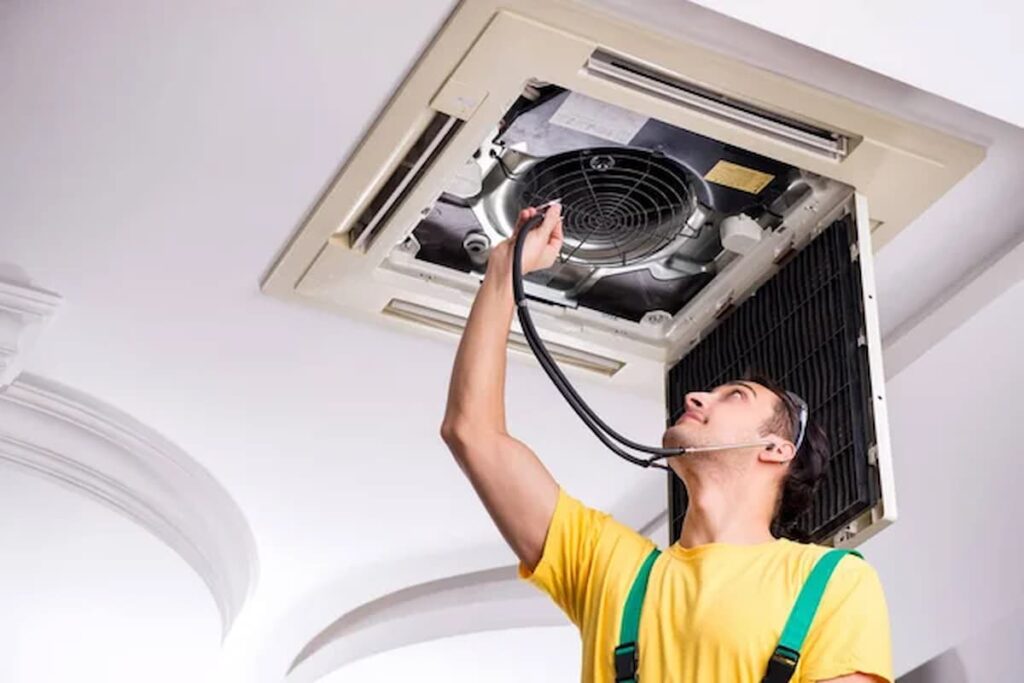
While DIY can help with surface dust, some situations absolutely require professional intervention. Pros have the specialized equipment and expertise to handle complex issues safely.
Confirmed Mold or Mildew Growth (beyond surface level)
If you find widespread mold or mildew in your ducts, or if it reappears after a basic clean, call professionals. They use specialized tools and treatments to remove mold safely and prevent its return.
Evidence of Rodent or Insect Infestation
Nesting materials, droppings, or actual pests indicate a serious problem. Professionals can effectively remove the contaminants and help seal entry points.
Large Accumulations of Dust and Debris (especially after renovations)
Major renovations, or years of neglect, can lead to significant debris build-up that standard vacuums can’t handle. Professional services use powerful, truck-mounted vacuums.
Persistent Unpleasant Odors
If strange smells continue after your DIY efforts, it suggests a deeper issue like hidden mold or a deceased pest, necessitating professional assessment.
If a DIY Attempt Reveals Deeper Issues
If your basic cleaning reveals extensive damage, heavy mold, or blockages, stop and contact a professional. Don’t risk exacerbating the problem.
Understanding the NADCA Standard for Professional Cleaning
The National Air Duct Cleaners Association (NADCA) sets rigorous standards for professional duct cleaning. Hiring a NADCA-certified technician ensures thorough cleaning using industry-best practices and specialized equipment.
The Benefits of Professional HVAC Duct Cleaning
Investing in professional duct cleaning offers significant returns for your home and HVAC system.
Improved Indoor Air Quality and Health
Professionals remove a wider range of contaminants, drastically reducing allergens, pathogens, and irritants circulating in your home’s air. This supports better respiratory health for everyone.
Enhanced HVAC System Efficiency and Performance
Clean ducts allow your HVAC system to move air more freely, meaning it doesn’t have to work as hard. This translates to more efficient heating and cooling, and potentially lower energy bills.
Extended Lifespan of Your HVAC System
When your system runs efficiently, it experiences less wear and tear. Regular professional cleaning helps prevent strain on components, potentially extending the overall lifespan of your expensive HVAC equipment.
Thorough Removal of Contaminants (using specialized equipment)
Unlike DIY efforts, professionals use powerful, high-velocity vacuums, rotary brushes, and specialized tools that reach every corner of your ductwork, ensuring a comprehensive clean.
Maintaining Clean Ducts Between Cleanings
Keeping your ducts cleaner between professional services is achievable with a few simple habits.
Regular Air Filter Replacement (every 1-3 months)
Changing your HVAC air filter regularly is the simplest and most effective way to prevent dust and debris from entering your ductwork. Routine HVAC maintenance services are crucial for sustaining system efficiency and preventing issues that could lead to dirty ductwork.
Sealing Duct Leaks and Gaps
Inspect your visible ductwork for any gaps or leaks and seal them with mastic sealant or foil tape. This prevents dirty attic or crawl space air from being drawn into your system.
Controlling Indoor Humidity Levels
High humidity can encourage mold growth. Use dehumidifiers in damp areas and ensure proper ventilation to keep indoor humidity between 30-50%.
Regular Home Cleaning and Dusting
Less dust in your home means less dust getting into your HVAC system. Regular vacuuming (with a HEPA filter) and dusting help minimize airborne particles.
Ensuring Proper Ventilation
Make sure bathroom and kitchen exhaust fans are working correctly and used regularly. This helps remove moisture and airborne contaminants before they can enter your ductwork.
When Duct Issues Go Beyond Cleaning: Installation & Replacement Considerations
Sometimes, cleaning isn’t enough. Severely damaged or outdated ductwork requires more than just a scrub.
Signs of Severely Damaged or Outdated Ductwork (cracks, poor insulation, improper sizing)
Look for obvious cracks, tears, or disconnected sections. Poor insulation can lead to significant energy loss, and improperly sized ducts can restrict airflow, making your system work harder.
The Impact of Well-Designed Duct Systems on Comfort and Efficiency
Properly designed and sealed ductwork is fundamental for even heating and cooling throughout your home. It ensures maximum comfort and energy efficiency, preventing hot or cold spots. If your existing ductwork is extensively damaged or inefficient, exploring professional HVAC installation or replacement services can significantly improve your home’s air distribution and overall comfort.
Ready to breathe easier? Whether you’re considering a deep clean or need help with a more serious duct issue, The Weatherman AC is here to help.
We provide expert HVAC installation, replacement, maintenance and repair solutions for homes and businesses in Lake Havasu City, Arizona. Contact us today for a healthier, more comfortable home.