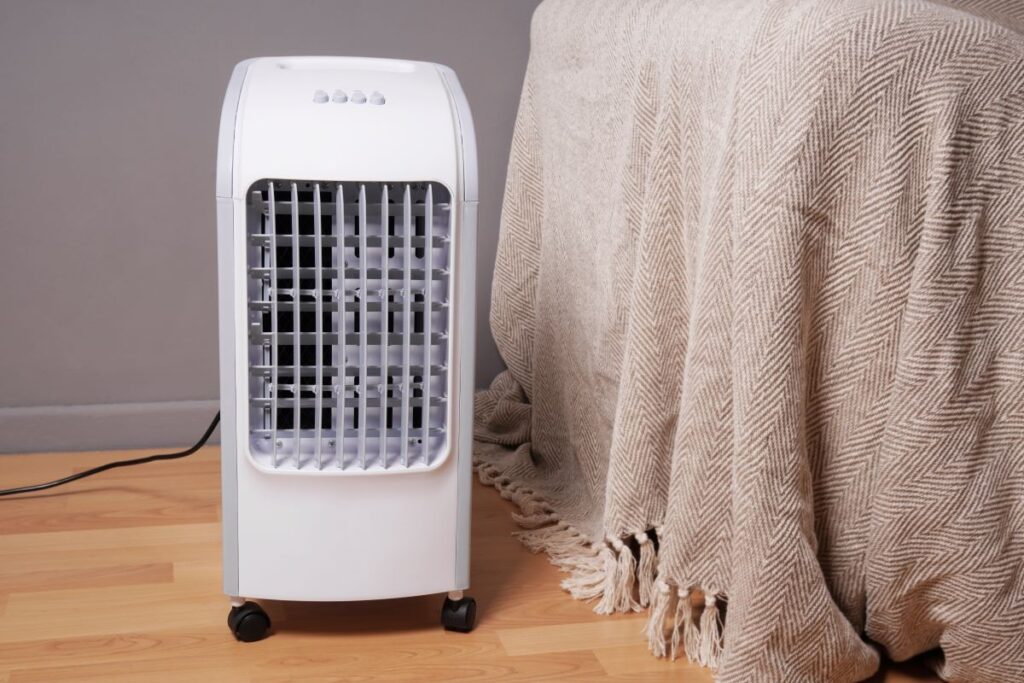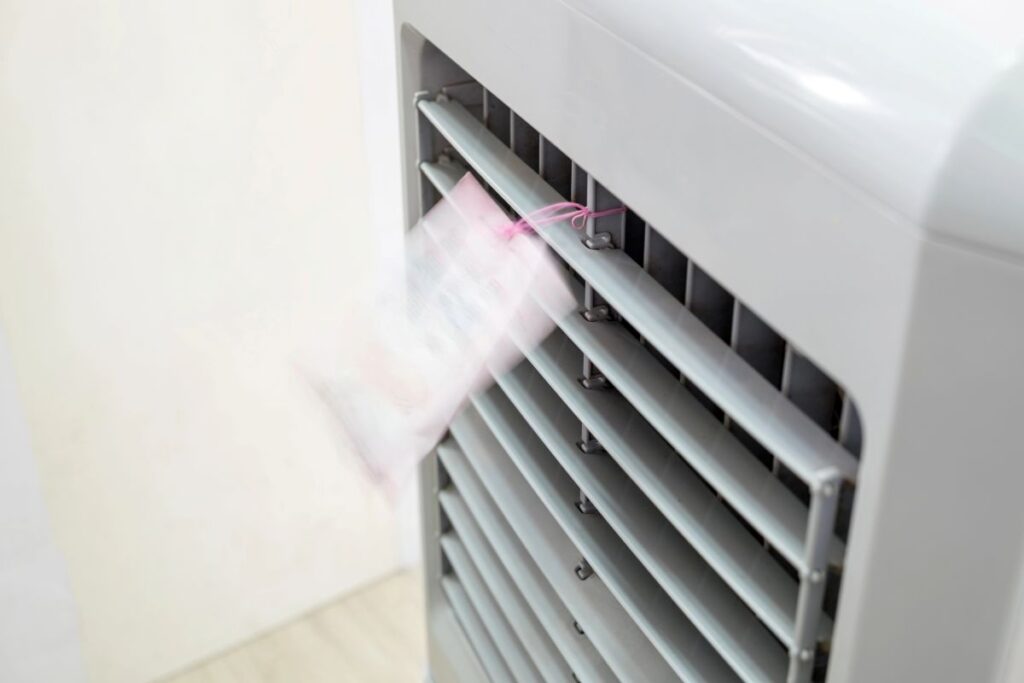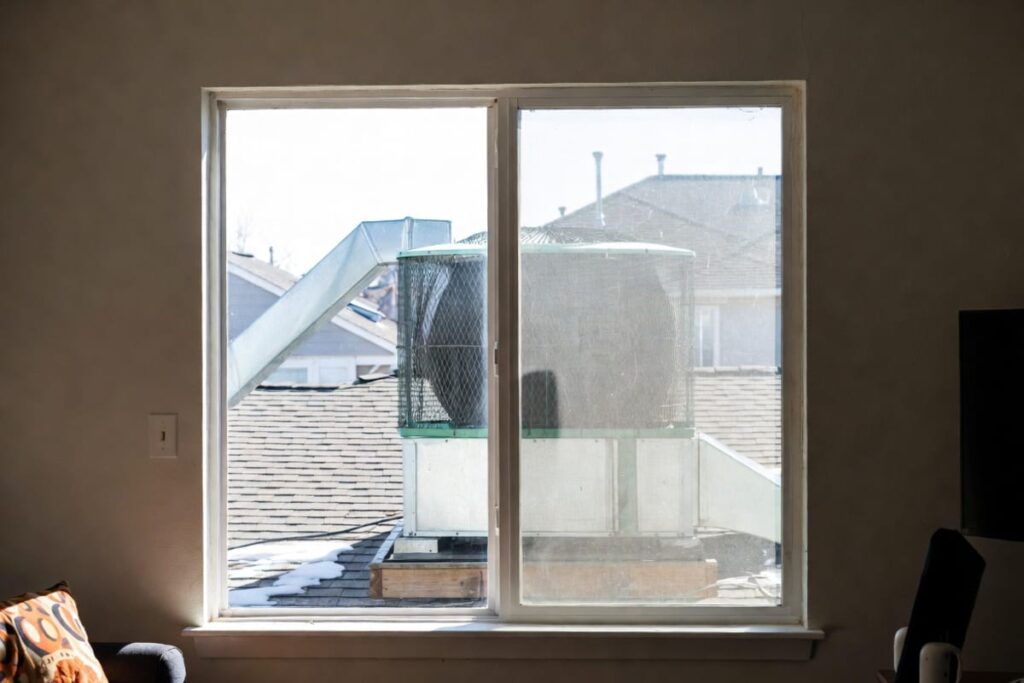
Basically, yes. You can use your swamp cooler as a humidifier in winter, but it comes with significant caveats, mainly unwanted cooling.
For most homes seeking consistent humidity without temperature drops, a dedicated humidifier is generally a better choice.
The Winter Dry Air Dilemma
Winter brings cozy indoor warmth, but often at the cost of dry air. Running heating systems strips moisture from your home, leading to discomfort, dry skin, and static shocks.
Optimal indoor humidity offers many benefits, from better respiratory health to preserved wood furniture. This naturally leads people to wonder: can an evaporative cooler (swamp cooler) help as a humidifier in the colder months?
Understanding How Swamp Coolers Work
Swamp coolers operate on a simple principle: they cool air by evaporating water. As water changes from liquid to vapor, it absorbs heat, lowering the air temperature.
While their primary function is cooling, especially in dry climates like Lake Havasu City, this evaporation process inherently adds moisture to the air.
It’s this inherent humidifying effect that makes people consider them for winter use.
The Role of a Humidifier
Dedicated humidifiers are designed to add moisture to the air without altering its temperature. They come in various types, from small portable units to whole-house systems.
Benefits of winter humidification are extensive. It helps prevent dry skin, soothes sinuses and respiratory passages, reduces static electricity, and protects wooden items from cracking.
Can Your Swamp Cooler Double as a Winter Humidifier? (The Direct Answer)
Yes, your swamp cooler can function as a humidifier. Its core mechanism of evaporating water will undeniably add moisture to your indoor air.
However, it’s crucial to understand the key distinction: while it adds moisture, it’s primarily designed for cooling. This means you’ll likely get a temperature drop along with the humidity, which isn’t ideal in winter.
Practical Considerations for Using a Swamp Cooler as a Humidifier
When does this approach make sense? It’s most viable in very dry winter climates where a slight cooling effect is tolerable, or if you can minimize it.
Here’s how to operate it for humidification:
- Run the pump without the fan: Or use the fan on a very low setting to maximize humidification and lessen unwanted cooling.
- Monitor humidity levels: Use a hygrometer to prevent over-humidification, which can cause problems.
- Consider unit size: A large cooler in a small space can quickly over-humidify.
However, there are significant drawbacks:
- Unwanted Cooling: Even on low settings, the cooling effect is the biggest hurdle in winter.
- Over-Humidification Risks: Too much moisture can lead to mold, mildew, condensation on windows, and potential damage to electronics or structures.
- Energy Consumption: Swamp coolers typically use more energy than dedicated humidifiers for just adding moisture.
- Water Usage: They consume a lot of water, which might be a concern depending on local resources.
- Maintenance Needs: Continuous water circulation can lead to mineral buildup and stagnant water if not cleaned regularly.
When a Dedicated Humidifier is the Better Choice
Dedicated humidifiers offer precise control over humidity levels. You can often set a target percentage and let the unit manage it.
Crucially, they add moisture without any cooling effect, maintaining your home’s warmth. They’re also available in various sizes for targeted humidification, from a single room to whole-house systems.
Generally, they’re more energy-efficient for the sole purpose of humidification.
Essential Swamp Cooler Care: Beyond Cooling
Regardless of how you use your swamp cooler, proper care is non-negotiable. Routine cleaning, checking water lines, and replacing pads are vital.
Good maintenance ensures efficient operation and extends the unit’s lifespan. To ensure your evaporative cooler operates efficiently and reliably, regardless of how you’re using it, regular swamp cooler maintenance is crucial. This proactive approach prevents issues, maintains air quality, and ensures your system is ready for whatever the climate demands.
Weighing Your Options
In summary, yes, your swamp cooler can add humidity in winter, but it comes with significant trade-offs. You’ll likely contend with a cooling effect, less precise control, and potentially higher energy and water consumption than dedicated humidifiers.
For consistent, controlled humidification without unwanted cooling, a dedicated humidifier is generally the superior choice. Assess your specific needs, climate, and tolerance for a slight temperature drop to decide what’s best for your home.
Need Expert HVAC Advice in Lake Havasu City?
If you’re looking for professional insights on your home’s heating, ventilation, and air conditioning needs, from optimizing your existing systems to exploring new solutions, The Weatherman AC is here to help.
We provide comprehensive swamp cooler maintenance services to ensure your home is comfortable year-round. Call The Weatherman AC today to discuss your heating, cooling, or indoor air quality requirements!