Don’t let a struggling swamp cooler ruin your Lake Havasu City summer! Knowing exactly when to change swamp cooler pads is key for efficient cooling, fresh air, and lower energy bills.
Most often, you’ll want to replace them annually before the cooling season starts, but several factors and clear signs tell you when it’s truly time.
Understanding Your Swamp Cooler and Its Pads
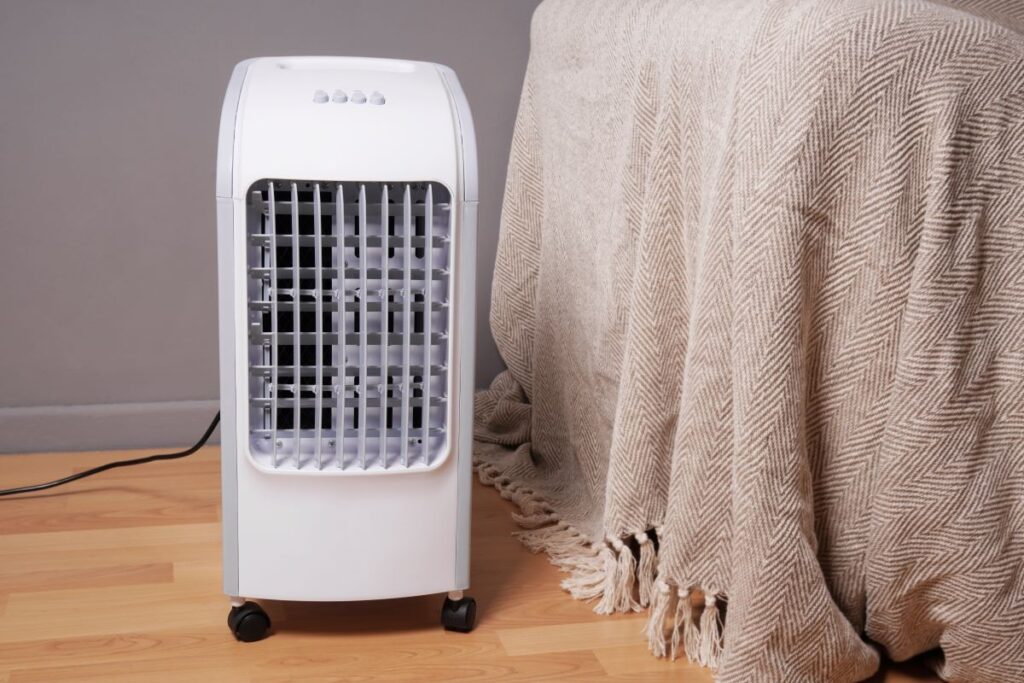
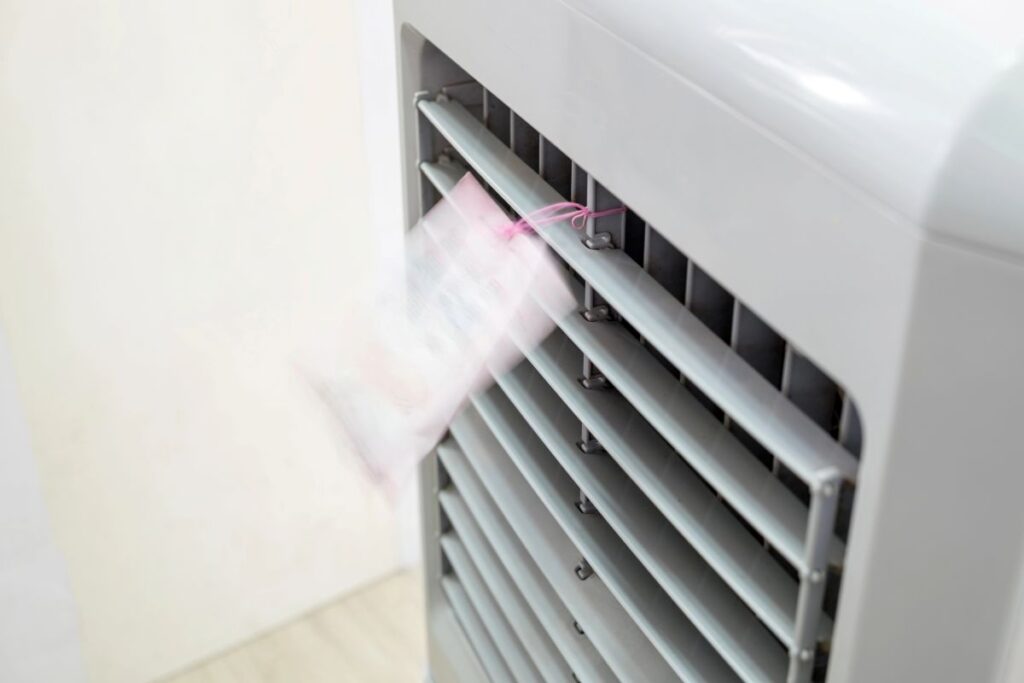
Swamp coolers, also known as evaporative coolers, work by drawing warm, dry air over water-saturated pads. As the water evaporates, it cools the air, which is then circulated throughout your home or business.
It’s a natural, energy-efficient way to beat the heat, especially in dry climates like Lake Havasu City.
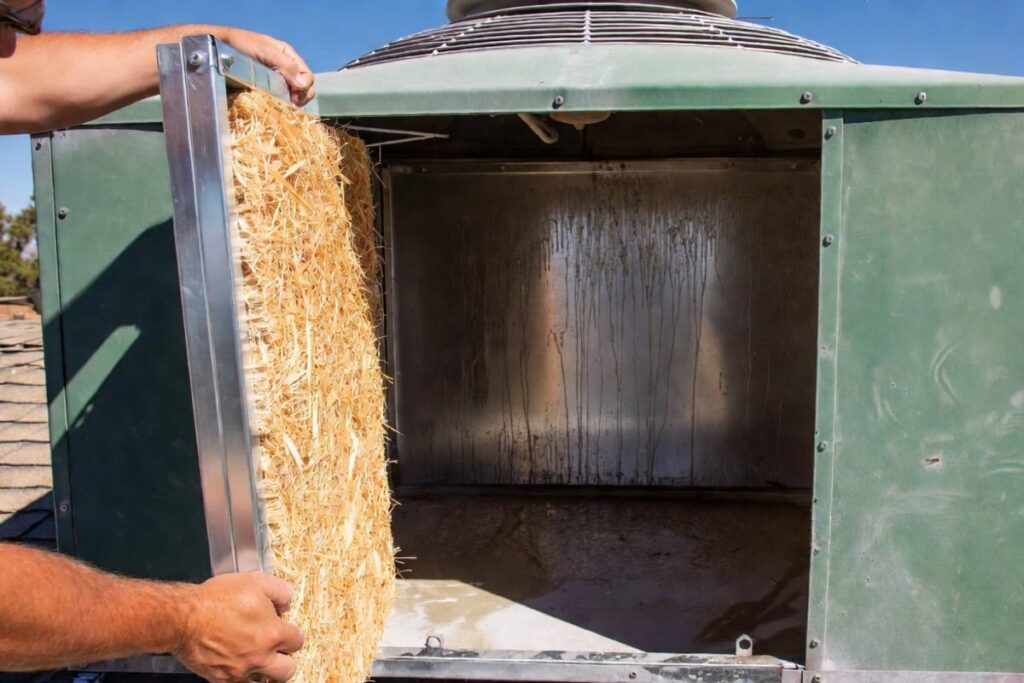
The pads are at the heart of this process. They absorb water and provide the large surface area necessary for evaporation to occur effectively.
If your pads aren’t working right, your whole system suffers.
How Often Should You Replace Swamp Cooler Pads?
The most common recommendation for when to change swamp cooler pads is annually. Ideally, you’d do this right before the cooling season kicks into high gear. This ensures your unit starts fresh, delivering peak performance when you need it most.
However, this is just a general guideline. Your specific situation might call for more or less frequent changes.
Pay attention to your unit’s performance and appearance for the best indication.
Key Signs It’s Time to Change Your Swamp Cooler Pads
Your swamp cooler often sends clear signals when its pads are past their prime. Learning to spot these signs can save you from uncomfortable days and higher bills.
- Decreased Cooling Performance: If your home isn’t getting as cool as it used to, or the air coming from vents feels noticeably warmer, clogged or worn pads are often the culprit.
- Unpleasant Odors: Musty, mildewy, or sour smells indicate microbial growth like mold or algae on the pads. You definitely don’t want to breathe that in!
- Visible Wear and Tear: Take a look at the pads. Are they ripped, torn, sagging, brittle, or starting to fall apart? These are clear signs they need replacing.
- Excessive Mineral Buildup: Hard water, common in areas like Lake Havasu City, leaves mineral deposits. If your pads are caked with white, stiff scale, they can’t absorb water efficiently.
- Increased Dust and Debris: Pads act like a filter. If they look visibly dirty or are clogged with a thick layer of dust, pollen, or other airborne particles, their efficiency drops.
- Pads Not Getting Fully Wet: While your cooler is running, check if all sections of the pads are saturated. Dry spots suggest poor water distribution or material too clogged to absorb moisture.
- Increased Energy Consumption: If your energy bills are unexpectedly higher without other changes, your unit might be working harder to push air through clogged pads, using more electricity for less cooling.
Factors That Influence Pad Replacement Frequency
While yearly replacement is a good benchmark, several things can speed up or slow down how often you need fresh pads.
- Usage Intensity: A swamp cooler running 12 hours a day, every day of summer, will wear out pads faster than one used only on weekends.
- Water Hardness/Quality: Lake Havasu City homeowners know our water can be hard. High mineral content leads to faster scale buildup on pads, necessitating more frequent changes.
- Pad Material: Different pad types, like aspen fibers or rigid cellulose, have varying lifespans and resistance to mineral buildup and wear.
- Environmental Conditions: If your area is particularly dusty or windy, airborne particles will clog pads more quickly, requiring earlier replacement.
The Benefits of Timely Swamp Cooler Pad Replacement
Changing your pads when needed isn’t just about fixing a problem; it offers a range of important advantages.
- Restored Cooling Efficiency and Comfort: Enjoy cool, refreshing air that truly makes a difference on hot days.
- Improved Indoor Air Quality: Prevent mold and mildew, circulating clean, fresh air free from unpleasant odors.
- Extended Lifespan of Your Swamp Cooler Unit: Less strain on your motor and pump means your system lasts longer.
- Reduced Energy Consumption and Lower Utility Bills: An efficient unit doesn’t have to work as hard, saving you money on electricity.
How to Visually Inspect Your Swamp Cooler Pads
Checking your pads is straightforward. Here’s a quick guide:
- Safety First: Turn off the power to your swamp cooler at the breaker. Always ensure the unit is off before opening it.
- Access the Pads: Most coolers have removable panels that give you access. Unlatch or unscrew these panels carefully.
- Inspect Each Pad: Gently remove one or more pads. Look closely at their color, texture, and rigidity.
- Check for Deposits: Are they white and stiff with mineral buildup? Do they feel slimy or look discolored from mold?
- Examine for Damage: Look for tears, rips, or areas where the material is disintegrating. If any of these signs are present, it’s time for new pads.
Beyond Pads: Comprehensive Swamp Cooler Maintenance
While new pads make a huge difference, they’re just one part of keeping your swamp cooler in top shape.
Don’t forget other vital maintenance tasks, such as cleaning the water reservoir, checking the pump for clogs, inspecting the motor for proper function, and ensuring the water distribution system is clear.
For comprehensive care and to ensure your system runs efficiently year-round, The Weatherman provides professional swamp cooler maintenance services that can prevent major issues and extend the life of your unit.
Contact us to keep your Lake Havasu City home perfectly cool and comfortable.