Getting the right mini split sizing for small homes is crucial for comfort and energy savings. This guide helps you understand BTUs, the factors beyond square footage, and why professional load calculation from experts like The Weatherman AC is essential for optimal performance in Lake Havasu City.
Understanding Mini Split Sizing: Why It Matters
A mini split system offers efficient, ductless heating and cooling, making it a perfect solution for small homes and specific zones. These systems deliver targeted comfort without the bulky ductwork traditional HVAC often requires.
At its core, mini split capacity is measured in BTUs, or British Thermal Units. A BTU represents the amount of energy needed to raise one pound of water’s temperature by one degree Fahrenheit. For HVAC, it signifies a unit’s cooling or heating power.
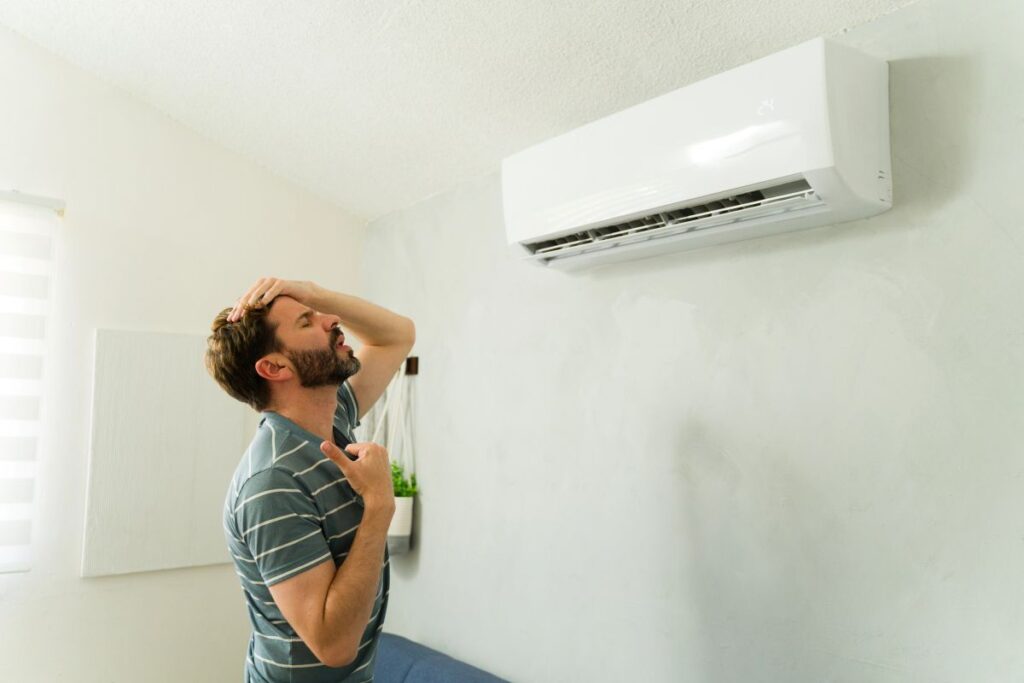
Proper sizing is incredibly important. An undersized mini split will struggle to reach your desired temperature, running constantly and hiking your energy bills. It just can’t keep up with the demand.
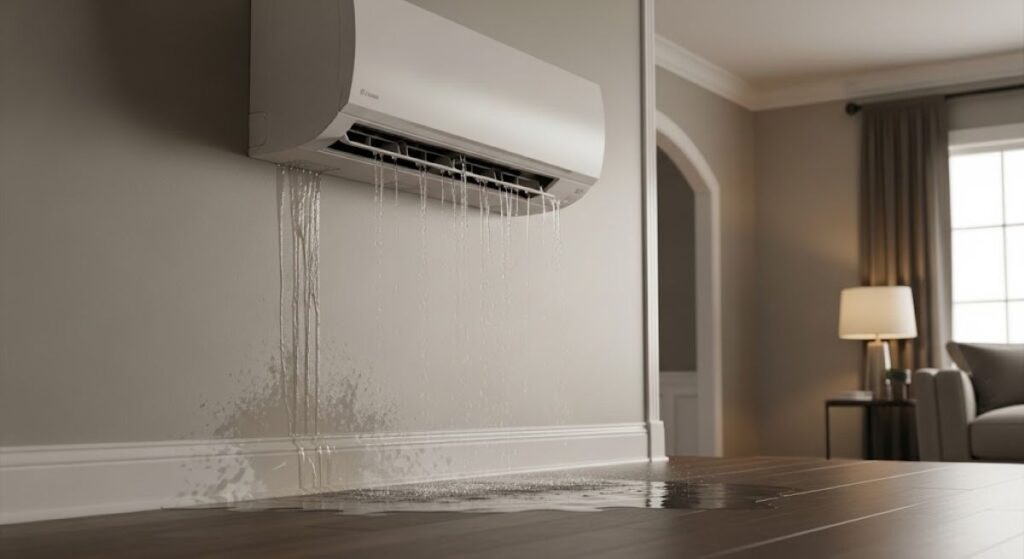
On the flip side, an oversized system has its own set of problems. It will “short cycle,” meaning it turns on and off too frequently. This leads to poor dehumidification, leaving your home feeling clammy, and can even cause premature wear and tear on the unit.
The Primary Factor: Square Footage and BTU Guidelines
For small homes between 200 and 1000 square feet, a general rule of thumb helps estimate BTU needs. You’ll typically need around 20-25 BTUs per square foot. This provides a quick starting point, but remember, it’s just a rough estimate.
Here’s a helpful mini split sizing chart for common small home sizes:
| Square Footage Range | Approximate BTU Required |
| 200 – 300 sq ft | 6,000 BTU |
| 300 – 450 sq ft | 9,000 BTU |
| 450 – 700 sq ft | 12,000 BTU |
| 700 – 1000 sq ft | 18,000 BTU |
Remember, this chart serves as a basic guide. Many other factors can significantly alter your home’s actual BTU requirements.
Beyond Square Footage: Crucial Factors Influencing Mini Split Sizing
While square footage gives you a start, several other elements heavily influence the ideal mini split sizing for small homes. Ignoring these can lead to discomfort and inefficiency.
Lake Havasu City’s extreme heat means your system needs more power. Colder climates, too, demand higher BTU output for effective heating. Your local weather patterns play a huge role.
Your home’s insulation quality makes a big difference. A well-insulated home retains conditioned air much better, requiring fewer BTUs than a poorly insulated or drafty one.
Windows are major heat gain or loss points. Consider their number, size, type (single-pane, double-pane), and orientation. Rooms facing direct, unshaded sunlight will need more cooling capacity.
Taller ceilings create a larger volume of air to heat or cool, increasing BTU needs. Open floor plans also mean the system must condition a more expansive, connected space.
The number of people typically in the space adds body heat. Kitchen appliances, electronics, and even fireplaces generate heat, all contributing to the overall load your mini split must manage.
Finally, think about the room’s purpose. A frequently used living room or kitchen often requires more robust conditioning than a rarely used guest bedroom.
Single-Zone vs. Multi-Zone Mini Splits for Small Homes
Deciding between a single-zone or multi-zone system depends on your specific needs, even in a small home.
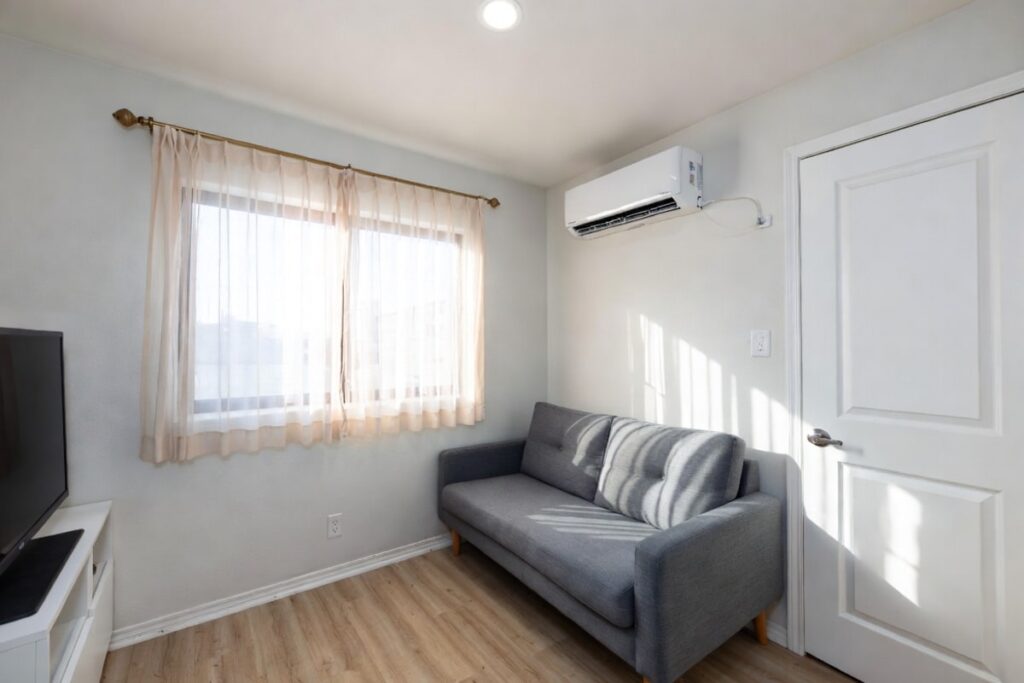
A single-zone system is perfect for very small homes, studio apartments, or an addition where only one area needs conditioning. It’s cost-effective and straightforward for targeted comfort.
However, even in a small footprint, a multi-zone system might make sense. If you want different temperatures in your bedroom versus your living area, or if you have multiple rooms that need separate control, multi-zone offers individual comfort zones.
This can lead to greater overall efficiency by only conditioning occupied spaces.
Common Sizing Mistakes and How to Avoid Them
Relying solely on guesswork or simple square footage charts is a common pitfall. This “DIY sizing” often leads to issues that cost you comfort and money down the line.
An undersized mini split will constantly run at full capacity, struggling to reach your set temperature. This results in uncomfortable conditions, higher energy bills, and a shorter lifespan for your unit. It just can’t keep up.
Conversely, an oversized system cycles on and off too quickly. This “short cycling” prevents it from adequately removing humidity, making your home feel damp and uncomfortable. It also causes premature wear and tear, leading to costly repairs sooner than expected.
The Indispensable Role of Professional Load Calculation
To truly get it right, a professional assessment is non-negotiable. HVAC experts use a detailed process called a Manual J load calculation. This industry standard precisely accounts for all the unique characteristics of your home—from insulation to windows to climate.
This precision and expertise ensure your system perfectly matches your home’s actual heating and cooling demands. You avoid the costly mistakes of improper sizing and gain lasting comfort.
A properly sized and installed system offers numerous benefits. You’ll enjoy optimal comfort year-round, maximum energy efficiency, and a significantly extended equipment lifespan.
Ensuring your mini-split is correctly sized and installed from the start is paramount. A professional mini split installation guarantees peak efficiency and longevity for your home.
Partner with The Weatherman AC for Your Mini Split Needs
Ready to find the perfect mini split sizing for your small home in Lake Havasu City? Don’t leave your comfort to guesswork.
Contact The Weatherman AC today for a professional load calculation and expert mini split installation or replacement services. Our certified technicians are here to ensure your home enjoys optimal climate control and energy efficiency.
We’re your trusted partner for heating, ventilation, and air conditioning solutions.