As the crisp fall air rolls into cities like Lake Havasu City, we all breathe a sigh of relief and switch off our air conditioners. Your A/C has earned a nice long nap!
But as we start thinking about cozy evenings, a question comes to mind: is your HVAC system ready to take over?
Firing up your heating system without a little prep can lead to sky-high energy bills, a lukewarm house, or worst of all, a complete breakdown when you need reliable heat the most.
This guide will walk you through a simple fall checklist, covering the quick tasks you can do yourself and explaining why it’s smart to have a pro take a look, too.
A little care now means your system will run like a champ, keeping you warm and safe all winter long.
Why You Really, Really Shouldn’t Skip Your Fall HVAC Check-Up
Putting off your heating system tune-up is like gambling with your comfort and safety. Taking a little time for it now pays off in big ways.
Keep Your Family Safe: This is the big one. A professional check-up can spot serious dangers, like a tiny crack in the heat exchanger that could leak carbon monoxide into your home. It’s a crucial safety inspection before you start running the heat 24/7.
Lower Your Monthly Bills: A clean, well-maintained heating system runs efficiently, so it doesn’t have to struggle to warm your home. It just works better, using less energy. That means you’ll see real savings on your utility bills every month. Your wallet will thank you!
Prevent Surprise Breakdowns: Think of it like an oil change for your car. Regular maintenance catches small issues before they become huge, expensive, middle-of-the-night emergencies. It’s the best way to help your HVAC system live a long, healthy life.
Easy DIY Checks You Can Do This Weekend (5 Simple Steps)
You don’t have to be an expert to do these things. Spend less than an hour on these tasks, and you’ll give your HVAC system a great head start.
1. Swap Out That Air Filter
A dirty, clogged filter is the #1 cause of heating system problems. It suffocates your system, forcing it to work way harder than it should.
Check your filter once a month and pop in a new one if it looks grubby. It’s a five-minute job that boosts your air quality and saves energy.
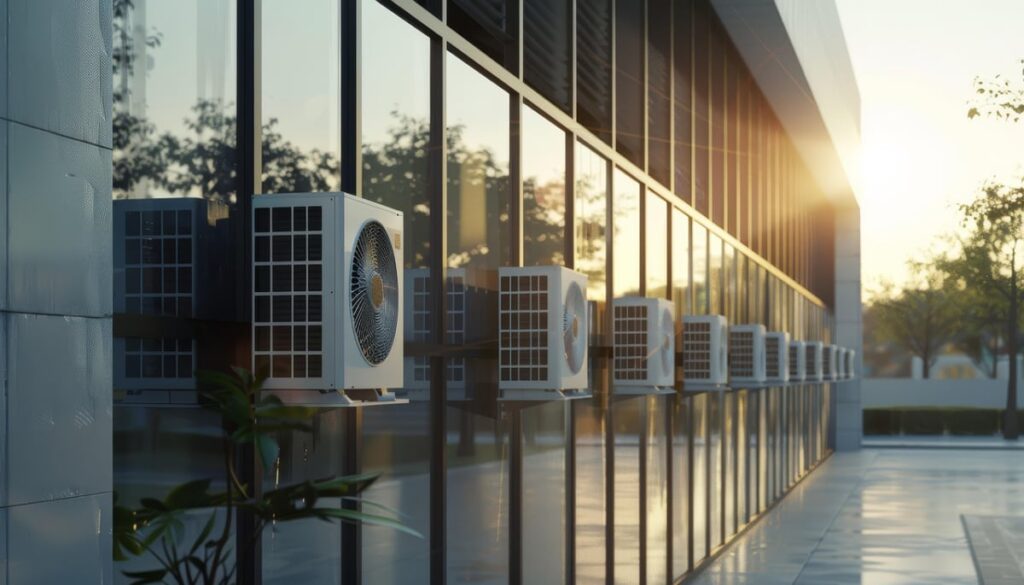
2. Clear Space Around Your Outdoor Unit (The AC part of your HVAC)
Even though you’re done with A/C for the year, your outdoor unit needs to breathe. Take a few minutes to clear away any leaves, twigs, dirt, or weeds that have piled up around it.
Give it at least two feet of clear space on all sides so air can move freely.
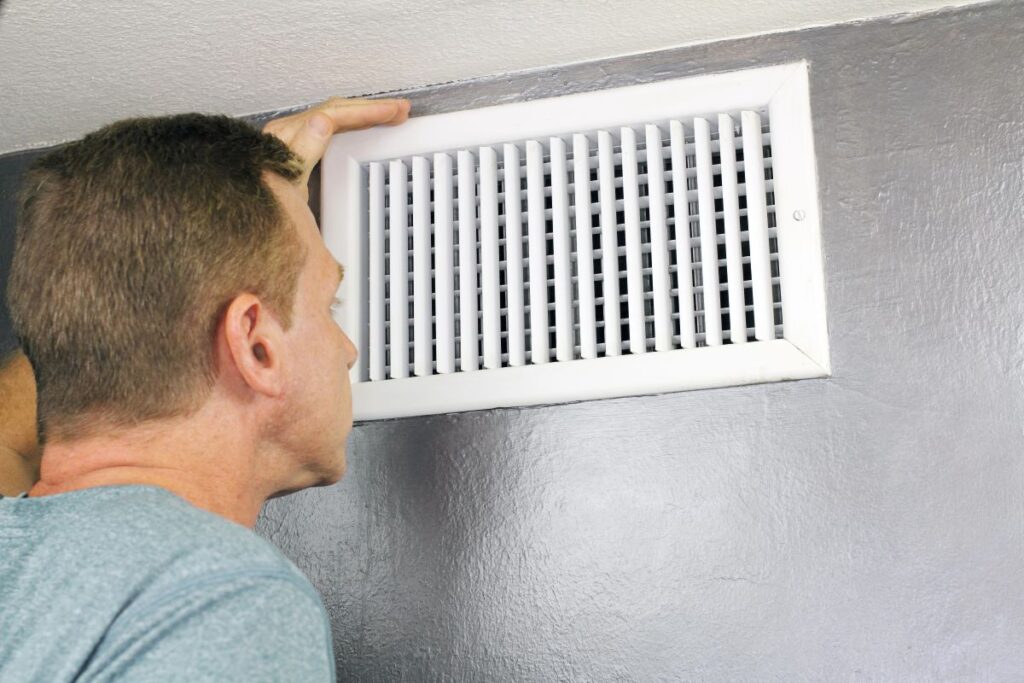
3. Clean Your Vents and Registers
Dust bunnies love to hide in your vents over the summer. This can block airflow and send dust and allergens flying when the heat kicks on.
Just grab your vacuum, give the registers a quick clean, and wipe them down. Simple!
4. Give Your Heat a “Practice Run”
Don’t wait for a cold snap to find out something’s wrong. On a cooler day, switch your thermostat over to “heat” and let it run for about 15 minutes.
Pay attention. Do you hear any scary clanking, grinding, or rattling? Smell anything weird? If so, you’ve caught a problem early.
5. Check Your Carbon Monoxide Detectors
This is a non-negotiable safety check. Before your HVAC system starts its winter job, test every CO detector in your house.
Swap out the batteries if you haven’t in a while. This little device is your family’s silent protector.
When to Call in the Pros (and Why It’s Worth It)
While these DIY steps are fantastic, they can’t take the place of a thorough tune-up from a pro.
A certified technician has the tools and training to go deep, making sure every part of your system is safe, clean, and ready for action.
A professional fall heating system tune-up usually includes:
- Deep cleaning the inner workings, like the blower motor and burners.
- Checking all electrical connections to prevent failures.
- Testing the safety controls to ensure they’ll work when needed.
- Inspecting the heat exchanger up close for any dangerous cracks.
- Lubricating moving parts to keep everything running smoothly.
Is Your HVAC system Trying to Tell You Something?
Sometimes, an older system needs more than just a tune-up. If you’re noticing these warning signs, it might be time to start thinking about a replacement.
- Your HVAC system is over 15 years old.
- Your energy bills have suddenly gone through the roof.
- You’re hearing loud, persistent banging, squealing, or grinding sounds.
- You feel like you’re on a first-name basis with the repair technician.
Frequently Asked Questions (FAQ)
Q: How much does a fall HVAC system tune-up cost?
A: Prices can vary, but a tune-up is a small investment that prevents big headaches.
It’s far cheaper than an emergency repair bill or a brand-new HVAC system, and it often pays for itself in energy savings.
Q: Do I really need to do this every year?
A: Yes, every single year. All manufacturers recommend it to keep your system safe, efficient, and—importantly—to keep your warranty valid.
Q: What’s the difference between an inspection and a tune-up?
A: Think of it this way: an inspection spots problems that already exist
A tune-up is a full-service check that prevents future problems by cleaning, adjusting, and fine-tuning your system for peak performance.
Taking care of your HVAC system now means it will take care of you all winter long. By doing a few simple checks and scheduling a professional tune-up, you can kick back and relax, knowing your home will be a warm and safe haven when the temperature drops.
Don’t get left in the cold this year. The friendly pros at The Weatherman AC are ready to give your HVAC system the thorough tune-up it deserves.
Let’s make sure your home is ready for winter! Contact us today to schedule your appointment.